Janitorial services businesses handle basic cleaning duties like vacuuming, dusting, and restroom upkeep. Still, government and municipal facilities need more sophisticated sanitation techniques to preserve operational effectiveness and public safety. A thorough approach to facility management guarantees that these structures remain hygienic, legal, and secure for everyone who uses them. These are six justifications for why public areas require specific cleaning.
1. Strict Cleaning Procedures Are Needed in High-Traffic Areas
Thousands of people attend government buildings, courts, libraries, and community centers every week. Increased filth, litter, and bacteria buildup result from this heavy foot traffic, especially in public restrooms, elevators, stairwells, and entryways. The degree of hygiene required for such heavily frequented locations is frequently beyond the scope of standard janitorial cleaning.
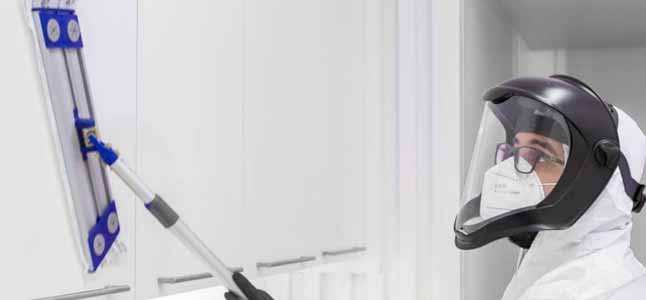
High-efficiency cleaning techniques, including electrostatic spraying, HEPA-filtered vacuuming, and antimicrobial treatments, are used by specialized commercial cleaning services to avoid cross-contamination. These cutting-edge methods guarantee that public spaces stay secure and hygienic, lowering the chance of disease and encouraging a healthier atmosphere for staff members and guests.

2. Strict Compliance with Health and Safety Regulations
Government and municipal facilities are subject to strict safety and cleanliness standards established by organizations like the CDC (Centers for Disease Control and Prevention) and OSHA (Occupational Safety and Health Administration). Noncompliance with these rules can arise from health code breaches, legal ramifications, and a damaged reputation for public institutions.
Municipal cleaning-focused janitorial service providers know these regulations and follow industry-best cleaning practices. To guarantee complete adherence to rules set by the government, they employ disinfectants approved by the EPA, dispose of trash appropriately, and do regular sanitation audits.
3. Specialized Cleaning for Sensitive and Secure Areas
Sensitive sections found in many municipal buildings call for specific cleaning procedures. Confidential papers, evidence rooms, and holding cells are kept at courthouses, police stations, and emergency response facilities; these spaces must be kept clean without sacrificing security or functionality.
Non-disruptive cleaning techniques are used by skilled cleaners who have been trained to work in these settings to preserve hygienic conditions while adhering to security protocols. To guarantee adherence to government security regulations, cleaning crews operating in these regions frequently go through background checks and specialized training.
4. Protection Against Disease and Cross-Contamination
People from many backgrounds, including those who might be infected, utilize public facilities. Waiting rooms, service counters, and public transportation hubs are particularly vulnerable to disease transmission. To reduce the spread of COVID-19, the flu, and other infectious diseases.
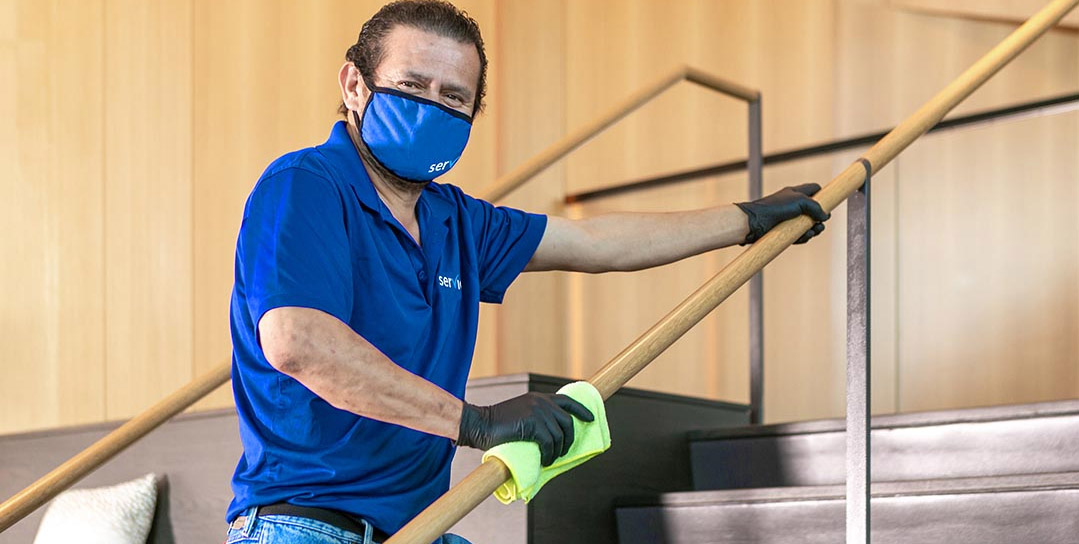
Regular thorough cleaning, antimicrobial surface treatments, and focused disinfection of high-touch areas like doorknobs, handrails, and chairs are all part of a comprehensive facility management strategy. By keeping the workplace clean and safe, these steps help protect public health and lower the risk of occupational illnesses.

5. Sustainability and Environmental Social Governance (ESG)
Governmental organizations are implementing Environmental Social Governance (ESG) principles in their operations as a result of growing environmental consciousness and sustainability awareness. This entails employing sustainable sanitation techniques, cutting waste, and using eco-friendly cleaning supplies.
By using green cleaning practices, including biodegradable disinfectants, energy-efficient equipment, and water-saving cleaning processes, specialized commercial cleaning services not only meet the immediate cleaning needs of public spaces but also support Environmental Social Governance (ESG) objectives. Municipal buildings that prioritize sustainability lessen their impact on the environment, improve indoor air quality, and save money over time, aligning with the growing environmental consciousness and sustainability awareness in governmental organizations.
6. Extended Longevity of Facilities and Assets
Long-term maintenance is necessary to protect the infrastructure of public buildings, which are expensive investments. Expensive furniture, carpets, and equipment need to be properly cared for to prolong their lives, and high-traffic areas like stairways, conference rooms, and lobbies are prone to wear and tear.
To maintain municipal buildings in top shape, a professional comprehensive facility maintenance program includes regular floor care, upholstery cleaning, and HVAC system sanitation. In addition to improving the look of government buildings, preventative maintenance lowers the need for expensive replacements and repairs over time.
Why Partner with a Specialized Commercial Cleaning Company?
Beyond routine housekeeping duties, government and municipal facilities have particular cleaning needs. By working with a seasoned business that offers commercial cleaning services, you can be sure that these establishments will be cleaned to the greatest standards while abiding by environmental, health, and safety laws.
A professional cleaning service specializing in municipal settings is aware of the challenges in keeping regulated, high-traffic areas safe. Their services, which range from deep cleaning to sustainability initiatives, are designed to satisfy the requirements of government buildings while boosting public safety and trust. These service providers are equipped with the necessary expertise and training to handle the unique cleaning needs of public spaces, instilling confidence in their ability to maintain high standards of cleanliness and safety.
Investing in professional cleaning services is an essential step for towns seeking to maintain compliance, preserve cleanliness, and safeguard public health. The appropriate janitorial services providers offer the know-how, cutting-edge equipment, and environmentally conscious solutions required to guarantee that public areas remain safe, hygienic, and functional for many years.