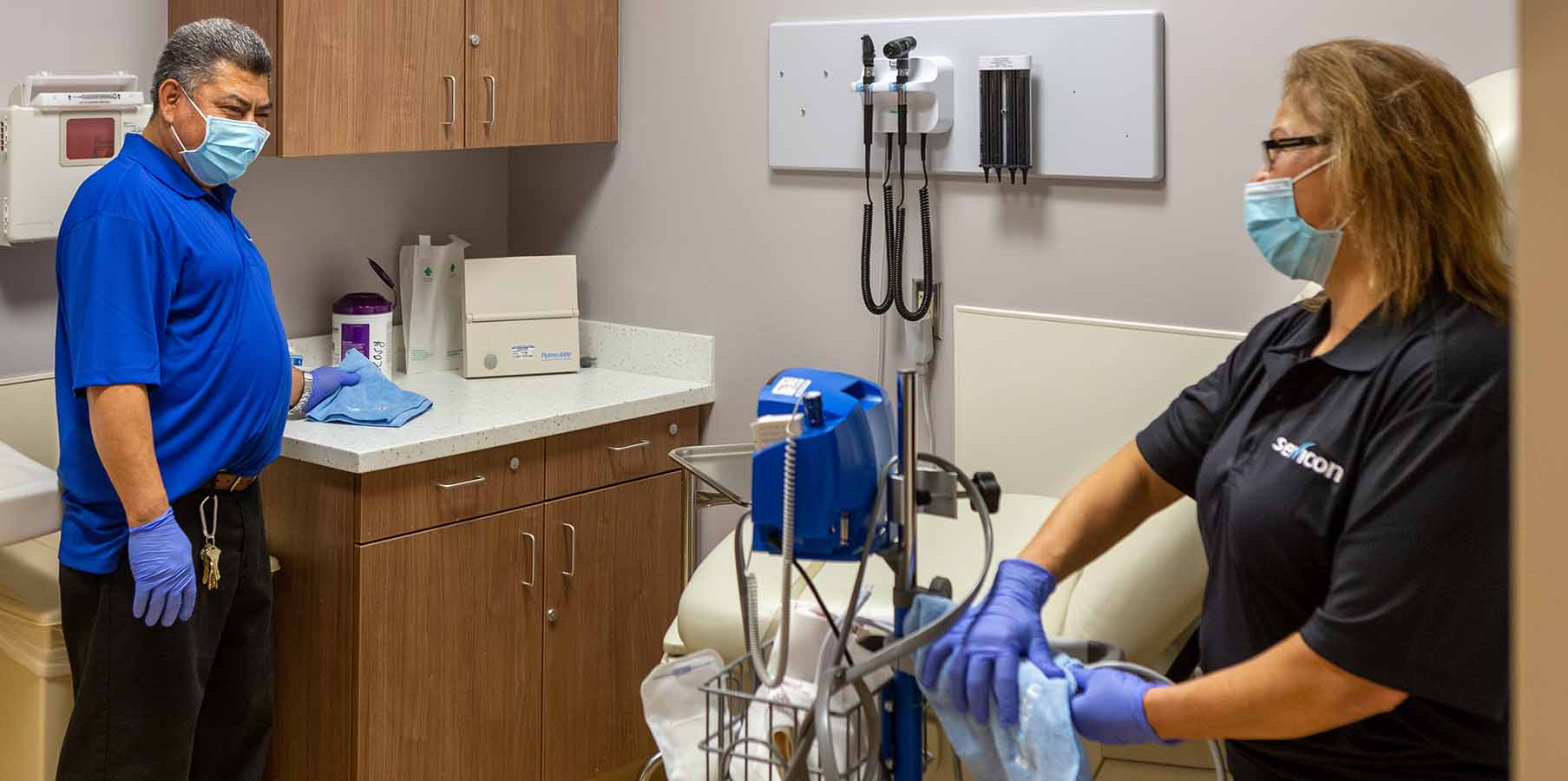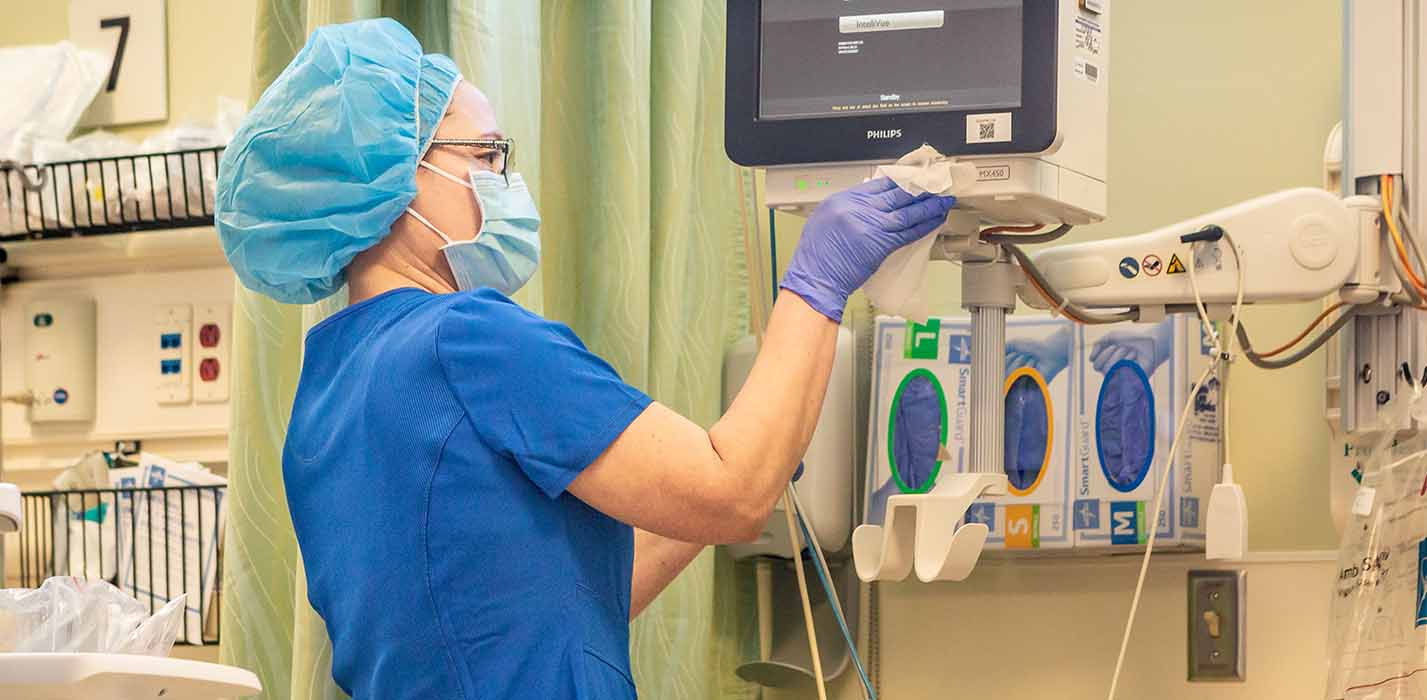
EVS teams can monitor contact time, concentrate on High-touch Surfaces, and lower the risk of nosocomial infections by using digital tools. Additionally, these platforms help teams ensure consistent performance across all shifts and departments and support organized HAI Reduction Programs.
Why Do Paper Checklists Fall Short in Hospital EVS?
Paper checklists restrict accountability and slow down communication. Employees complete forms, submit them at the end of their shift, and then wait for review. Issues go unnoticed until they are discovered during inspections. Risks increase due to this delay. Digital systems resolve these problems. Supervisors have instant access to results and can address issues immediately. Real-time data enables quick responses and helps avoid recurring errors. Hospitals get a better understanding of cleaning compliance and quality.

What Is Smart Inspection Software for EVS?
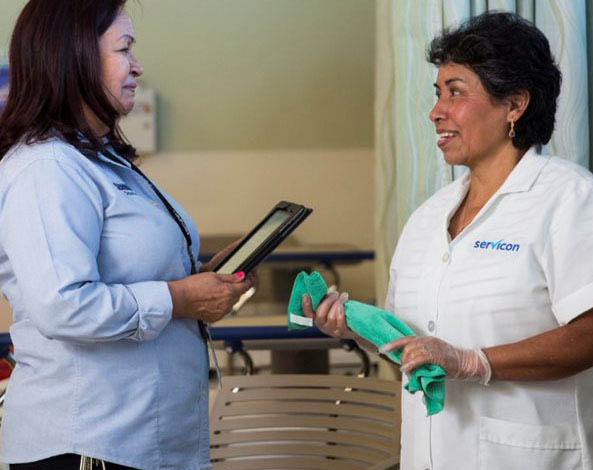
Smart inspection software tracks cleaning performance through dashboards, cloud platforms, and mobile devices. Employees use digital checklists to finish tasks. Supervisors use dashboards that display trends, risks, and compliance levels to assess results.
These systems track:
- Task completion by room and zone
- Inspection scores
- Contact time compliance
- Surface disinfection frequency.
This structure creates clear accountability and measurable results.
How Do Digital Checklists Improve Cleaning Accuracy?
Staff members are guided through the entire room-cleaning process using digital checklists. You specify dwell times, chemical usage, and cleaning order. This structure lowers variability and stops steps from being skipped. Additionally, employees are immediately reminded when tasks are still unfinished. Supervisors check work right away. This feedback loop lowers the risk of contamination and increases consistency across patient care areas.
How Do Dashboards Support Better Decision-Making?
Dashboards provide lucid insights from raw data. You monitor staff performance, room turnover times, and trends in infection risk. Leaders use this information to modify staffing, training, and cleaning schedules. Real-time dashboards help hospitals resolve issues more quickly and report fewer audit findings. Data reveals trends that are frequently overlooked by manual reviews. This clarity encourages ongoing development of all EVS programs.
How Does Real-Time Feedback Reduce Infection Risk?
Supervisors can address problems before they affect patients, thanks to real-time feedback. Supervisors take immediate action to close the gap if a team fails to use High-touch Surfaces. Cross-contamination is less likely as a result. Training is also reinforced by instant feedback. When employees receive timely guidance, they learn more quickly. This method lowers the risk of nosocomial infections and promotes consistent cleaning results.

How Do Mobile Apps Fit into Clinical Workflows?
EVS employees can log tasks, take pictures, and get updates while on the go with the help of mobile apps. Without reducing productivity, these tools are easily incorporated into everyday routines. Employees adhere to clinical schedule-compliant guided workflows. Clinical leaders and nurses gain as well. Real-time monitoring of room readiness facilitates quicker patient admissions and transfers. Delays are decreased, and this visibility enhances departmental coordination.
Start your journey toward safer, more compassionate cleaning.
How Does Technology Support Contact Time Compliance?
The effectiveness of disinfectants depends on contact time. Intelligent software detects early wipe-offs and monitors dwell time. This guarantees that surfaces remain moist long enough to eradicate pathogens. Dashboards show trends in compliance. Supervisors modify workflows and determine training needs. This focus enhances disinfection outcomes and advances infection control objectives.
The healthcare EVS program uses advanced technology such as UV disinfection, AI, and robotics to strengthen cleaning performance and reduce hospital-acquired infections. These tools improve speed, consistency, and effectiveness beyond traditional manual cleaning methods.
How Do Advanced Tools Improve High-Touch Surface Cleaning?
High-touch surface cleaning is scheduled and confirmed by intelligent systems. Employees are reminded to disinfect frequently. Supervisors use audits to verify completion. All patient areas are guaranteed to have uniform surface hygiene thanks to this structure. Lower contamination rates and higher patient satisfaction ratings are observed in hospitals. These results strengthen the overall quality of care.
How Does Smart Software Integrate UV-C Disinfection?
A strong layer of protection is added to terminal cleaning through UV-C disinfection. Deployment, cycle completion, and room readiness are all monitored by smart platforms. Teams confirm that manual cleaning is followed by UV-C treatment. This integration guarantees consistent use and documentation. Hospitals lower the pathogen load and improve compliance. Data helps with performance reporting and audit readiness.
How Do Antimicrobial Surface Coatings Benefit from Digital Monitoring?
Antimicrobial surface coatings provide continuous protection. Smart systems monitor application schedules and inspection outcomes. In between cleaning cycles, supervisors verify coating performance. This monitoring ensures that coatings support infection prevention objectives. Coatings inhibit microbial growth in high-risk areas when used alongside regular cleaning. Long-term performance is supported by digital tracking.

How Does Smart Software Strengthen HAI Reduction Programs?
Data and accountability are essential to HAI reduction initiatives. Smart platforms provide both. You monitor adherence, spot patterns, and swiftly modify tactics. Up to 30% fewer infections are reported by hospitals that use digital monitoring. Well-defined metrics guide staff training and focused interventions. This data-driven strategy supports sustained improvement.
How Does Servicon Use Smart Inspection Technology?
All hospital housekeeping and EVS services incorporate smart inspection software from Servicon. Teams complete checklists and record outcomes in real time using mobile apps. Supervisors monitor dashboards to assess performance and guide training. Servicon uses data to enhance infection prevention tactics, cleaning schedules, and staffing models. This strategy ensures consistent quality across all client locations. Hospitals obtain a clear understanding of cleaning results and compliance.
What Are Best Practices for Software Adoption?
Workflow alignment, leadership, and training are essential for successful adoption. You use coaching to reinforce expectations and progressively introduce tools. Employee engagement is supported by clear communication.
Key adoption steps include:
- Hands-on staff training
- Pilot testing in select units
- Clear performance metrics
- Regular feedback sessions.
These steps ensure smooth integration and lasting results.
How Does Software Improve Patient Experience?
Clean surroundings impact patient satisfaction and confidence. Consistent standards are maintained in all areas with the aid of intelligent tools. Hospitals report fewer complaints and higher HCAHPS cleanliness scores. Families are also reassured by prompt response times and clear documentation. These results promote long-term success and enhance the hospital’s reputation.
Smart Inspection Software for Hospital EVS Quality and Compliance
By leveraging digital checklists, performance dashboards, and real-time data, smart inspection software revolutionizes EVS operations. Hospitals that use these tools achieve stronger infection prevention, higher patient satisfaction, and improved compliance across all healthcare settings.
EVS that strengthens every corner of your hospital
- Benefits of Outsourcing EVS
- Hospital Hygiene
- EVS Contract Models
- Importance of Hospital EVS
- Advanced Technology in Hospital EVS
- Impact of EVS
- Hospital Housekeeping
- EVS Metrics and Outcomes
- Smart Inspection & Facility Monitoring
- Infection Prevention & Terminal Cleaning
- Healthcare EVS Training & Quality Assurance