
Hospital Infection Control and Terminal Cleaning Procedures
Successful programs prioritize deep cleaning after discharge, isolation cleaning, and surface disinfection. You monitor contact time, focus on high-touch Surfaces, and adhere to organized HAI reduction programs. These actions improve care outcomes across all clinical domains and reduce contamination.
Why Are Hospital Infection Prevention Procedures Important?
Preventing infections reduces hospital-acquired illness and safeguards susceptible patients. According to CDC estimates, over 1.7 million Americans suffer from healthcare-associated infections annually. Many of these infections are directly linked to environmental contamination.
Strict cleaning protocols and close observation lower this risk. Teams adhere to established procedures that specify duties, materials, and inspection standards. Everyday operations are guided by clear rules that produce consistent results across departments and shifts.
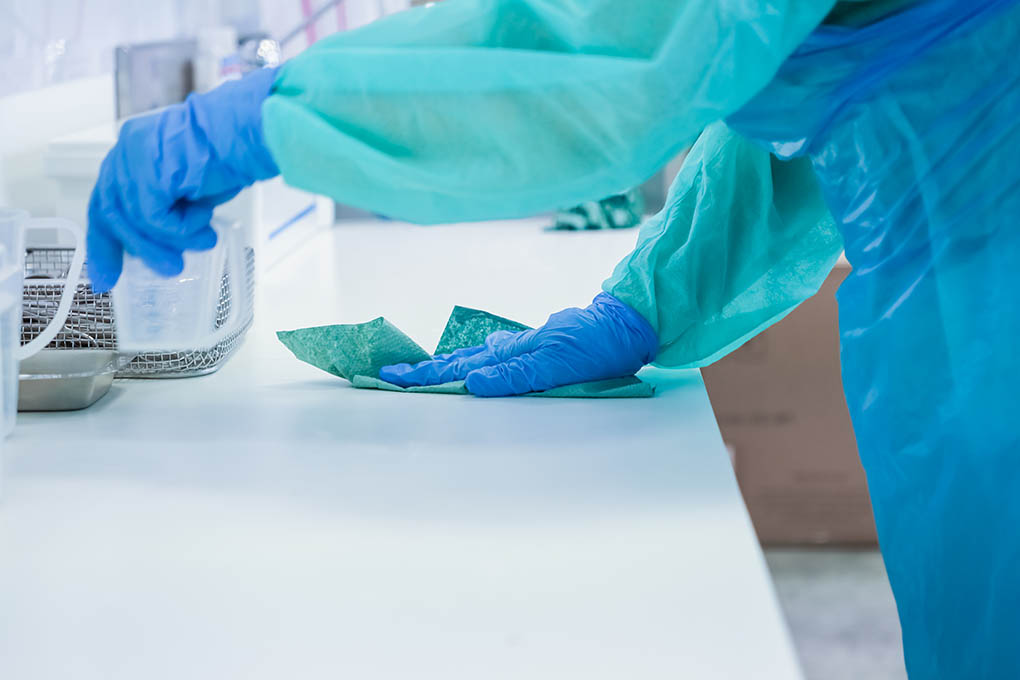
In What Ways Do Thorough Cleaning Procedures Promote Patient Safety?
Staff members are guided through every cleaning step by comprehensive protocols. Surface order, chemical selection, and dwell time are all specified. Missed tasks are avoided, and this structure supports consistent quality.
Protocols also specify safety measures, such as handling waste and wearing personal protective equipment. Teams reduce cross-contamination by adhering to clear protocols. This method increases cleaning precision while safeguarding both patients and employees.
Important components of robust protocols consist of:
- Steps for cleaning the room were documented
- Chemical use is defined by surface type
- Specification of contact time
- Inspections by supervisors.
How Do High-Touch Surfaces Help Prevent Infections?
High-touch surfaces collect pathogens through continuous contact. Common transmission points include bed rails, call buttons, door handles, light switches, and medical equipment. These surfaces spread bacteria and viruses if they are not regularly disinfected.
Effective protocols prioritize these areas. You schedule several cleanings per shift, and audits verify compliance. This emphasis promotes infection prevention objectives in all patient care domains and reduces contamination levels.

How Are Patients and Employees Protected by Isolation Cleaning?
When patients need contact, droplet, or airborne precautions, isolation cleaning is appropriate. Risks and cleaning requirements vary by isolation type. Protocols are customized to match transmission pathways and exposure levels.
Contact isolation emphasizes equipment handling and surface disinfection. PPE removal procedures and thorough cleaning of the surrounding areas are necessary for droplet isolation. Improved air control and room sealing techniques are examples of airborne isolation. To prevent pathogens from spreading beyond isolation zones, teams adhere to these protocols.
What Constitutes Contact Isolation Cleaning?
Pathogens that spread through touch are the focus of contact isolation. After every interaction, staff members sanitize shared items, surfaces, and equipment. Teams also adhere to stringent gown and glove regulations.
You stress the importance of properly disposing of waste and regularly disinfecting high-touch surfaces. Supervisors conduct compliance audits and promptly address any problems. This method safeguards nearby patient areas and lessens cross-contamination.
How Is Transmission Decreased by Droplet Isolation Cleaning?
Pathogens that spread through respiratory droplets are the focus of droplet isolation. Cleaning crews sanitize surfaces close to treatment areas and patient beds. They also discuss the furniture and equipment in the area.
You include PPE protocols and thorough room sequencing. Employees move from clean areas to contaminated areas for cleaning. This technique prevents pathogens from entering common areas and hallways.
Where People Shine, and Purpose Thrives
What Effect Does Contact Time Have on Terminal Cleaning Outcomes?
How long disinfectants must stay wet to kill pathogens is determined by contact time. To achieve effective disinfection, teams must adhere to manufacturer guidelines. Cleaning is unsuccessful if surfaces dry too quickly.
Training reinforces surface coverage and correct spray technique. Supervisors monitor dwell time during audits. This focus ensures that terminal cleaning yields reliable results.
How Is Terminal Cleaning Strengthened by UV-C Disinfection?
After manual cleaning, UV-C disinfection provides an additional layer of defense. UV-C light damages microbial DNA, preventing their reproduction. Hospitals use this technology in surgical suites, intensive care units, and patient rooms.
After cleaning the terminal, you use UV-C to target hidden areas. Research indicates that when combined with manual disinfection, UV-C reduces surface contamination by more than 90%. This approach improves infection control measures.
How Can Long-Term Protection Be Enhanced by Antimicrobial Surface Coatings?
Between cleaning cycles, antimicrobial surface coatings inhibit microbial growth. These coatings are applied to high-contact surfaces such as railings and door handles. These coatings offer ongoing defense.
Coatings enhance daily cleaning, but do not take its place. You continue to conduct regular audits and disinfections. Coatings help maintain low contamination levels when used with standardized procedures.
How Are Cleaning Strategies Guided by HAI Reduction Programs?
Cleaning, training, and monitoring are coordinated for HAI Reduction Programs. By upholding controlled environments, EVS teams assist these programs. You monitor infection patterns and make necessary protocol adjustments.
Hospitals that coordinate EVS with infection prevention teams achieve better results. Data-driven tactics help achieve patient safety objectives and lower infection rates. This partnership strengthens clinical performance and regulatory compliance.

Why Are Specific Protocols Needed for Airborne Isolation?
For a long time, airborne pathogens have been suspended in the atmosphere. Cleaning procedures must address both surfaces and airflow control. To lower exposure, you synchronize cleaning with ventilation systems.
Teams adhere to rigorous entry and exit protocols. They sanitize every piece of equipment and surface in the room. Before transferring patients, supervisors make sure the room is ready. This attention to detail reduces the risk of airborne transmission.
In What Ways Does Terminal Cleaning Aid in the Prevention of Infections?
After a patient is transferred or discharged, the terminal is cleaned. To eliminate any remaining pathogens, perform deep cleaning. This procedure resets the environment for the next patient.
Terminal cleaning includes complete surface disinfection, equipment cleaning, floor maintenance, and waste removal. Teams follow inspection checklists and maintain organized workflows. This method lowers the risk of infection transmission while promoting compliance.
Important terminal cleaning procedures consist of:
- Elimination of all throwaway objects
- Complete sanitization of surfaces in contact with patients
- Cleaning the walls and floors
- Final examination and recording.

How Are Deep-Clean Surge Events Prepared for in Hospitals?
Cleaning capacity must be quickly expanded in response to surge events. Hospitals get ready through cross-training and emergency planning. You set up surge procedures that trigger more workers and longer cleaning schedules.
Plans for surges consist of:
- Quick staff deployment protocols
- Extended cycles of terminal cleaning
- A rise in supply inventories
- Improved inspection practices.
These steps help prepare for emergencies, seasonal spikes, and outbreaks.
Why Is Protocol Compliance Driven by Training?
Teams that receive training are guaranteed to adhere to procedures accurately and consistently. You instruct students in room sequencing, PPE protocols, and chemical use. Frequent refreshes reduce errors and reinforce expectations.
Teams with proper training finish tasks more quickly and accurately. This consistency enhances audit results and advances infection prevention objectives.
Hospital Infection Control and Terminal Cleaning Procedures
Through organized processes, isolation cleaning, and deep disinfection, infection-prevention and terminal-cleaning protocols safeguard patients, employees, and guests. Hospitals can reduce infection rates, improve compliance, and create safer care environments by investing in robust protocols, cutting-edge technology, and training.
Start your journey toward safer, more compassionate cleaning.
EVS that strengthens every corner of your hospital
- Benefits of Outsourcing EVS
- Hospital Hygiene
- EVS Contract Models
- Importance of Hospital EVS
- Advanced Technology in Hospital EVS
- Impact of EVS
- Hospital Housekeeping
- EVS Metrics and Outcomes
- Smart Inspection & Facility Monitoring
- Infection Prevention & Terminal Cleaning
- Healthcare EVS Training & Quality Assurance