
EVS Services and Hospital Housekeeping
Safety and efficiency improvements are quantifiable for hospitals that invest in structured EVS services. Over 1.7 million patients in the US are affected by healthcare-associated infections annually, according to the CDC. Environmental contamination is directly linked to many of these cases. Proper cleaning and disinfection reduce exposure and prevent costly setbacks.
What Makes Full-Scale Hospital Housekeeping Programs Effective?
Comprehensive hospital housekeeping initiatives depend on accountability, consistency, and structure. You establish clear procedures that lead employees through cycles of deep, weekly, and daily cleaning. These initiatives align staffing levels with patient volume and severity. Setting clear expectations minimizes variation and prevents missed tasks.
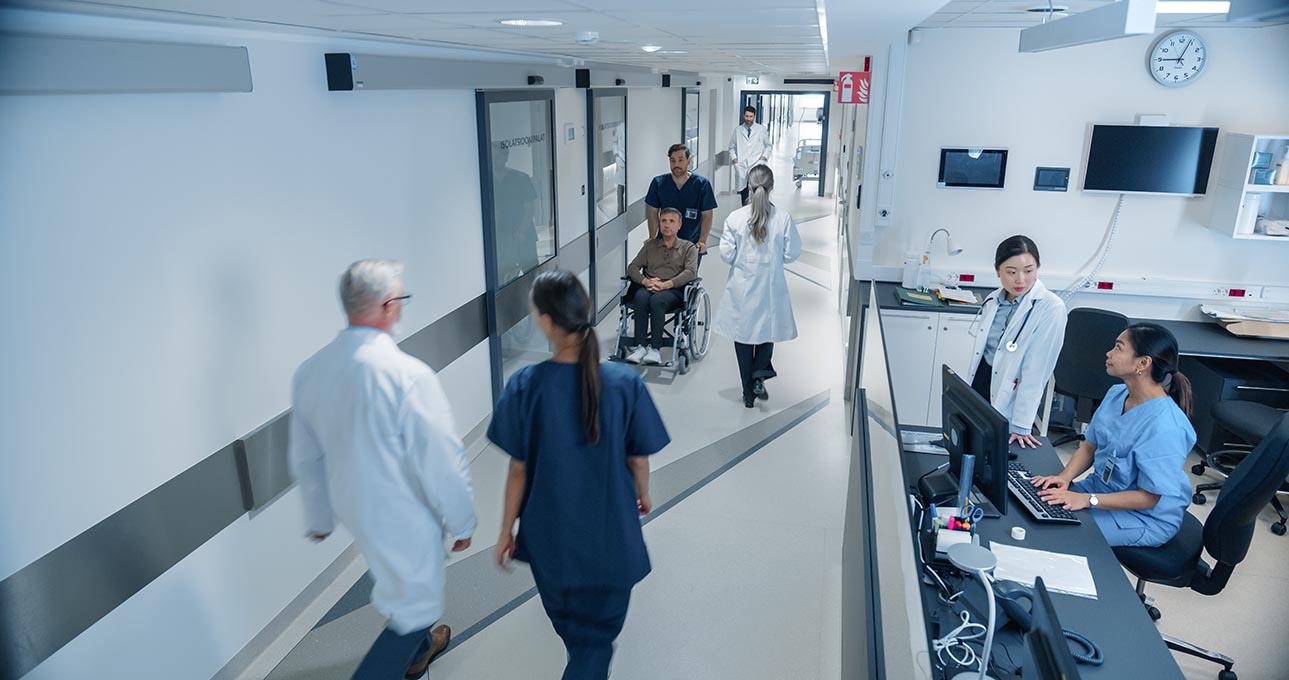
Training, reporting, inspections, and documented procedures are all components of effective programs. Teams adhere to strict schedules when cleaning patient rooms, nurse stations, hallways, and support areas. Supervisors use performance monitoring and audits to confirm outcomes. This structure boosts departmental confidence and produces better results.
Important components of effective programs include:
- Standardized cleaning checklists for each room type are essential.
- Tools with color coding to lessen cross-contamination
- Inspections of quality every day
- Regular refreshers in training.
How Do ICU and OR Support Services Protect Patients?
The hospital’s operating rooms and intensive care units have the highest risk of infection. Patients in these units frequently have open surgical wounds and compromised immune systems. To lower the risk of a nosocomial infection, you must adhere to stringent cleaning procedures. Serious consequences can result from even small mistakes.
Strict chemical use, airflow control, and surface disinfection are the main goals of ICU and OR support. To ensure disinfectants perform as intended, teams adhere to exact Contact Time requirements. After every interaction, staff members clean high-touch surfaces like bed rails, call buttons, door handles, and medical equipment. This strategy protects susceptible patients and restricts the spread of pathogens.

Why Does Terminal Cleaning Matter After Discharge?
Following discharge or transfer, terminal cleaning resets patient rooms. Before the next patient is admitted, all contamination is eliminated. Walls, fixtures, equipment, and floors are all part of this process, which goes beyond routine cleaning. To eliminate persistent pathogens, teams adhere to stringent protocols.
Terminal cleaning promotes patient confidence and infection prevention objectives. You get rid of any remaining organisms that could lead to cross-contamination. Strong terminal cleaning procedures reduce infection rates and prevent costly hospital readmissions. This procedure also supports patient satisfaction ratings and regulatory compliance.
Where People Shine, and Purpose Thrives
How Does Bed Turnover Affect Patient Flow?
Hospital efficiency and patient flow are regulated by bed turnover. Cleaning delays cause bottlenecks in admissions and emergency department throughput. Efficient bed turnover reduces patient wait times and facilitates quicker admissions.
Skilled hospital environmental services teams swiftly complete room resets without compromising quality. Waste removal, surface disinfection, linen replacement, and final inspections are all part of the meticulous processes teams follow. Rapid turnover enhances the overall patient experience and supports clinical operations.

Why Does Contact Time Control Disinfection Results?
The time disinfectants remain wet on surfaces to eradicate pathogens is determined by Contact Time. Products that dry too quickly cannot eliminate bacteria and viruses. Employees must be aware of this requirement and use chemicals appropriately.
Surface coverage, dwell time, and spray technique are the main topics of instruction. Supervisors verify compliance by auditing cleaning procedures. Appropriate contact time supports infection prevention objectives across all clinical domains and ensures effective pathogen control.
How Do High-Touch Surfaces Drive Infection Risk?
Microbes are collected on high-touch surfaces throughout the day. Patients, employees, and guests frequently touch these areas. If these surfaces are not regularly disinfected, they can become significant transmission points.
These crucial areas are the focus of successful EVS programs:
- Tray tables and bed rails
- Remote controls and call buttons
- Door handles and light switches
- IV poles and equipment for monitoring.
Regular cleaning schedules and audits guarantee consistent outcomes. This focus directly reduces hospital infection rates.
What Role Does UV-C Disinfection Play in Hospital Cleaning?
Beyond manual cleaning, UV-C disinfection provides an additional layer of security. Microbial DNA is disrupted by UV-C light, preventing reproduction. Hospitals use this technology to target difficult-to-reach areas in surgical suites, intensive care units, and patient rooms.
For maximum impact, UV-C systems are deployed after terminal cleaning. Research indicates that when UV-C is used alongside manual disinfection, surface contamination is reduced by more than 90%. This strategy promotes infection control objectives and fortifies general cleaning programs.
How Do Antimicrobial Surface Coatings Improve Protection?
Antimicrobial surface coatings add long-term protection against microbial growth. These coatings inhibit bacterial and viral growth between cleaning cycles. Door handles, railings, and other frequently touched areas are coated in hospitals.
These coatings never replace routine cleaning, but they do support ongoing protection. You continue to conduct audits and disinfections daily. Coatings help maintain lower contamination levels and enhance infection-prevention outcomes when combined with organized housekeeping programs.

How Do HAI Reduction Programs Guide EVS Strategy?
HAI Reduction Programs use coordinated cleaning, monitoring, and education to reduce healthcare-associated infection rates. EVS teams are essential to these initiatives. You uphold controlled environments in support of clinical protocols.
These initiatives depend on data monitoring, audits, and remedial measures. Facilities track infection trends and modify their cleaning plans as necessary. Strong EVS involvement supports measurable gains in hospital performance and patient safety.
Why Does Training Matter in Hospital Environmental Services?
Training fosters a culture of accountability and consistency. You instruct employees in room sequencing, equipment handling, and safe chemical use. Clear instructions reduce errors and safeguard workers and patients.
Ongoing training enables teams to adapt more effectively to new products, procedures, and technologies. Frequent refreshers increase compliance and reaffirm expectations. Effective training programs support long-term quality objectives and yield consistent cleaning results.
How Do Data and Audits Improve Hospital Housekeeping?
Data reveals performance gaps and areas for improvement. You monitor infection trends, turnaround times, and inspection scores. This data determines task scheduling and staffing levels.
Regular audits verify that cleaning procedures are being followed. Supervisors record outcomes and offer candid criticism. Throughout EVS operations, these systems promote accountability and ongoing development.
Hospital Housekeeping and EVS Services for Safer Patient Environments
Hospital housekeeping and EVS services support infection control, patient flow, and regulatory compliance. Structured programs that prioritize advanced technologies, bed turnover, terminal cleaning, and ICU and OR support provide safer care environments. Better patient outcomes, lower infection rates, and improved operational performance are achieved by hospitals that invest in expert environmental services.
Start your journey toward safer, more compassionate cleaning.
EVS that strengthens every corner of your hospital
- Benefits of Outsourcing EVS
- Hospital Hygiene
- EVS Contract Models
- Importance of Hospital EVS
- Advanced Technology in Hospital EVS
- Impact of EVS
- Hospital Housekeeping
- EVS Metrics and Outcomes
- Smart Inspection & Facility Monitoring
- Infection Prevention & Terminal Cleaning
- Healthcare EVS Training & Quality Assurance