
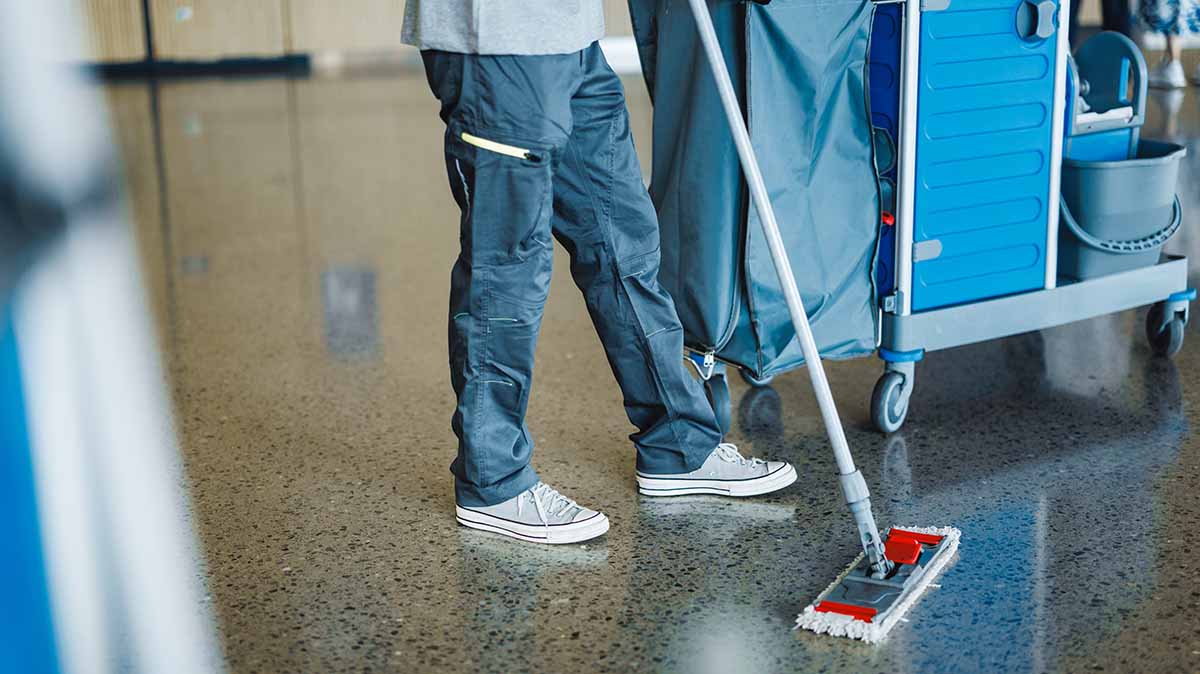
Municipal facilities carry a different level of responsibility than most commercial spaces. A public works building or a 24-hour custody operation has to stay open to the people it serves while supporting the staff working inside. Every shift has to end with the building ready for inspection. These facilities also operate under strict compliance standards. Service has to be done right the first time, and the records have to support the work in any subsequent review.
A standard janitorial approach falls short of these demands. The structure isn’t built for it, and the compliance measures aren’t part of the model. Municipal environments require structured cleaning programs that align with government expectations and hold up under outside scrutiny. Servicon builds value through disciplined processes and verified experience in environments where the margin for error is thin.
Why Municipal Facilities Require a Different Cleaning Standard
Municipal buildings operate under constant oversight. Internal audits and regulatory requirements shape how services are delivered and how performance is measured.
Cleaning programs must support:
- Documented sanitation procedures
- Consistent inspection readiness
- Clear accountability across staff and vendors
- Safe environments for employees and the public.
Turning everyday spaces into brilliant success stories.
Unlike private facilities, municipal operations regularly receive public records requests. Cleaning logs, inspection reports, and service records have to be accurate. They also have to be retrievable on short notice. A missed step carries weight beyond service. It can surface as a compliance failure during a Title 15 walkthrough or as a deduction inside a Performance Requirements Summary review.

The Role of Documentation in Municipal Cleaning
Documentation sits at the center of any credible municipal cleaning program. It serves as proof that protects facility leadership when reviewers ask hard questions about a specific date, room, or corrective action.
Each service cycle should include:
- Verified task completion records
- Time-stamped cleaning logs
- Inspection checklists tied to facility standards
- Supervisor sign-offs and audit trails.
These records create a clear trail from task back to the person responsible, with timestamps for every entry. The level of detail keeps facility managers covered when a reviewer asks for evidence on a task performed three months back.
When an inspector or administrator opens the file, the documentation should answer the question without requiring a follow-up call.
Protocol-Driven Cleaning for Consistent Results
Consistency carries the program in environments where a single weak shift can erase 90 days of clean performance. Cleaning programs must follow defined protocols rather than rely on individual habits.
A structured program includes:
- Standard operating procedures for each area
- Defined cleaning frequencies based on usage and risk tier
- Clear escalation steps for hazards and incidents
- Ongoing training tied to facility requirements.
Protocol-driven execution removes guesswork from the floor. Every team member follows the same sequence, which produces predictable outcomes across hundreds of rooms. The same approach makes scaling across multiple buildings workable without losing consistency from one site to the next.
Security-Cleared Teams and Controlled Access
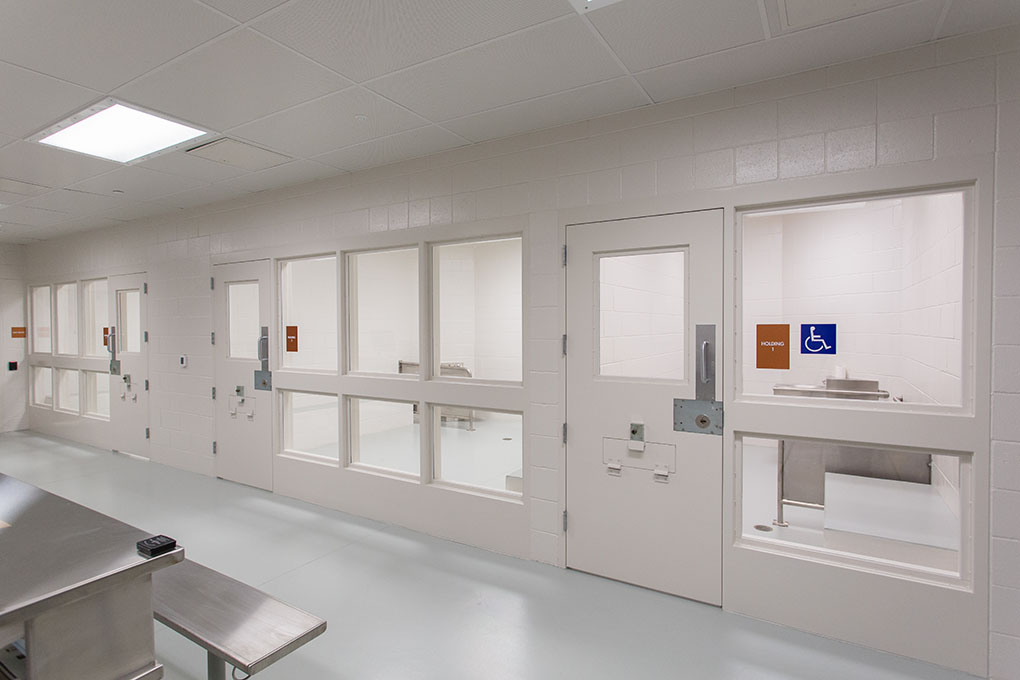
Many municipal buildings require controlled access. Patrol stations, custody operations, evidence rooms, and administrative wings each carry their own restrictions on who enters and when.
That includes:
- Background-checked and vetted staff
- Training on secure facility protocols
- Controlled access procedures and key management
- Awareness of sensitive areas and materials.
A cleaning provider must operate within the same security framework as the facility itself. Tool accountability becomes part of the daily routine alongside the cleaning work. Chemical control sits on the same checklist as the floor maintenance schedule, and badge compliance lives there, too. This integration reduces risk for facility leadership and earns trust from the staff who work the floor.
Supporting Public Health and Safety
Municipal buildings serve a wide cross-section of the public every day. Employees, residents, visitors, and individuals in custody all rely on a clean environment to stay safe.
A strong cleaning program focuses on:
- High-touch surface sanitation
- Restroom hygiene and supply management
- Waste handling and disposal
- Indoor air quality support through proper cleaning practices.
These services reduce the spread of illness in environments where shared spaces see thousands of contacts a day. Facilities that present well also reflect the professionalism of the public agency behind them.
Turning everyday spaces into brilliant success stories.
Inspection Readiness at All Times
Municipal facilities cannot pull a clean program together at the last minute before an inspection. Readiness has to be part of the daily routine.
That looks like:
- Routine quality checks by supervisors
- Scheduled internal audits
- Immediate correction of any deficiencies
- Ongoing performance tracking.
Once readiness becomes part of every shift, surprise inspections lose their teeth. Findings drop, and performance holds steady through monthly reviews, even when conditions on the floor shift without warning.

Scaling Across Complex Municipal Operations
Many public agencies manage multiple buildings with different uses. A single department may oversee administrative offices, training campuses, custody facilities, and outlying field locations. Each has its own footprint and risk profile. All answers are to the same standard.
A scalable cleaning program provides the following:
- Centralized oversight across all locations
- Standardized processes with site-specific adjustments
- Consistent reporting and documentation
- Flexibility to adapt to changing needs.
This structure allows the agency to maintain full visibility across the portfolio while ensuring every facility receives the level of service its function demands. A medical housing unit doesn’t get the same playbook as a public lobby, and the documentation reflects that reality.
Reducing Risk Through Proven Processes
Risk in municipal environments shows up from many directions. Infection transmission, slip-and-fall exposure, regulatory citations, and gaps in the documentation file all sit on the same risk register.
A structured cleaning program reduces these risks by:
- Following verified procedures
- Maintaining accurate records
- Training staff on safety and compliance
- Monitoring performance through inspections and audits.
Clear processes, followed without shortcuts, close the gaps that turn into bigger problems. The same processes also give facility leadership a defensible record when something does go wrong.

How Servicon Aligns with Municipal Expectations
Servicon builds cleaning programs for environments where accountability is part of the contract language. The work is shaped to meet government standards from day one rather than recalibrated reactively after a finding lands on someone’s desk.
Key elements include the following:
- Protocol-based execution tied to facility requirements
- Security-cleared teams trained for controlled environments
- Detailed documentation that supports audits and reviews
- Independent operation that allows facility leadership to stay focused on public service.
This approach helps public agencies maintain compliance, improve operational consistency across regions and sites, and reduce the burden on internal teams who already carry a heavy load.
Building a Cleaning Program That Holds Up Under Review
A municipal cleaning program has to perform a Tuesday afternoon walkthrough and again at three in the morning during a sudden incident response.
A strong program delivers the following:
- Reliable daily service
- Clear and defensible documentation
- Consistent performance across facilities
- Confidence during inspections and audits.
With those pieces in place, public agencies can stay locked into the mission ahead. Their facilities, in turn, adhere to a standard that earns the public’s confidence and passes the next audit without surprises.