
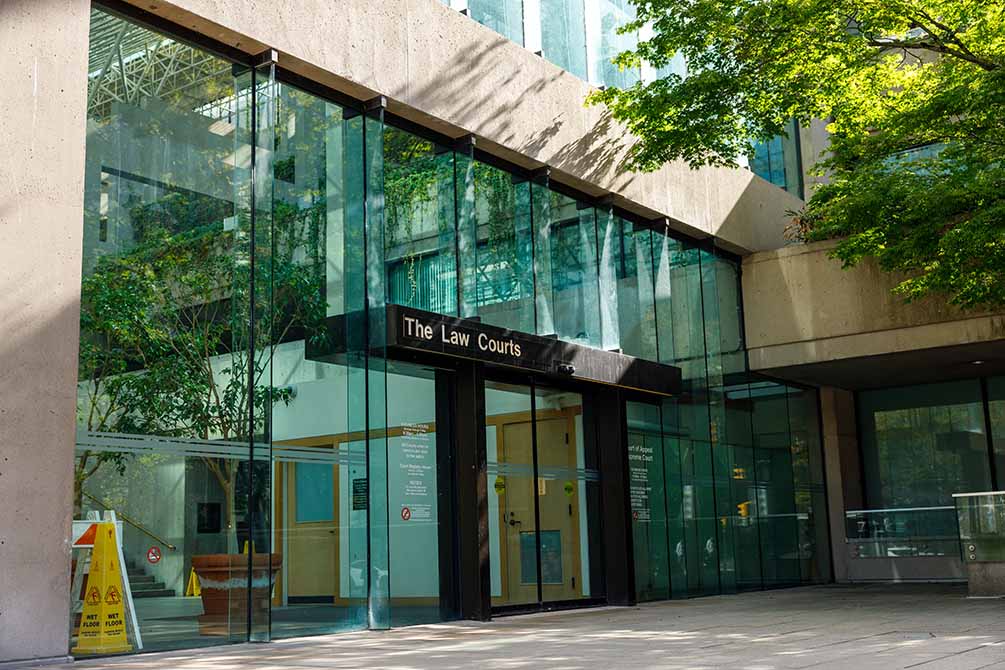
Municipal buildings serve the public daily. Public safety offices, community centers, city halls, and libraries must always be hygienic, secure, and operational. Expectations are greater than ever in 2026. Local governments are under increasing pressure to meet sustainability targets, employees require dependable workspaces, and visitors expect healthy environments.
It takes more than just regular cleaning to keep these facilities in optimal condition. It demands a well-defined plan that incorporates environmental responsibility, safety procedures, and janitorial services. Strong commercial janitorial services are even more crucial in areas like Los Angeles County, where facility size, usage, and population density are high.
The eight steps listed below describe how municipalities can enhance long-term performance and efficiency while upholding high standards throughout their buildings.
Step 1: Build a Structured Cleaning Program
Any well-maintained municipal facility starts with a regular cleaning schedule. Cleaning becomes reactive rather than proactive in the absence of a clear plan.
A program that is structured defines the following:
- Cleaning duties on a daily, weekly, and monthly basis
- Each team member’s responsibilities
- Quality and inspection standards.
This strategy guarantees that every area gets the care it requires. While lower-traffic areas can rotate according to a predetermined schedule, high-traffic areas like entrances, restrooms, and waiting areas should be given priority.
Structured programs help standardize cleaning across departments and buildings in large areas such as Los Angeles County.
Step 2: Focus on High-Touch Surface Disinfection
There is always foot traffic in public buildings. If high-touch surfaces are not routinely cleaned, they can easily become sources of contamination.
Important surfaces consist of:
- Push plates and door handles
- Buttons for elevators
- Counters for services
- Handrails
- Equipment shared.
To ensure efficacy, cleaning teams should use approved disinfectants and adhere to appropriate dwell times. Regular maintenance of these surfaces promotes a healthier atmosphere for employees and guests by lowering the spread of germs.

Step 3: Implement Green Cleaning Practices
Many municipalities now prioritize sustainability. Green cleaning techniques maintain high cleaning performance while minimizing negative environmental impacts.
The list comprises:
- Using cleaning supplies that respect the environment
- Cutting back on chemical and water use
- Choosing machinery that increases productivity.
Additionally, green cleaning enhances indoor air quality, benefiting building occupants. Adopting these practices promotes compliance and community objectives for municipal facilities in Los Angeles County, where environmental regulations are stringent.
Turning everyday spaces into brilliant success stories.
Step 4: Improve Waste Management and Recycling
Paper, packaging, food, and general trash are just a few of the many waste products produced by municipal buildings. Cleanliness and sustainability depend on efficient waste management.
A robust waste management program consists of:
- Waste and recycling stations with clear labels
- Schedules for routine collection and disposal
- Instructions on correct sorting for employees and guests.
Municipalities can better control costs and achieve sustainability goals by cutting waste and raising recycling rates.
Step 5: Use Technology to Track Cleaning Performance
2026 will see a greater use of technology in facility management. Digital tools enable real-time data, performance monitoring, and tracking of cleaning tasks.
Examples consist of:
- Mobile applications for inspections and cleaning checklists
- Sensors that monitor supply levels or restroom usage
- Dashboards displaying cleaning activity and outcomes
Managers can identify gaps in service delivery and increase accountability with these tools, which help pinpoint areas for improvement and ensure that cleaning standards are consistently met. Additionally, they offer supporting documentation for reporting and audits.
Technology facilitates more effective management of numerous locations for large municipal systems, such as those in Los Angeles County.
Step 6: Give Indoor Air Quality Top Priority
Clean surfaces are important, but so is clean air. Health, comfort, and productivity can all be impacted by poor air quality.
Enhancing indoor air quality entails:
- Frequent upkeep of HVAC systems
- High-performance air filtration
- Keeping an eye on airflow and humidity.
By using the right cleaning techniques, cleaning teams also help reduce dust and allergens. Strong filtration in vacuum systems helps capture small particles and prevent their airborne circulation.
Everyone who enters the building will be in a healthier environment if the air quality is maintained.

Step 7: Train Staff and Maintain Safety Standards
To meet the demands of municipal facilities, cleaning crews need proper training. This entails being aware of safety precautions, cleaning techniques, and equipment usage.
Training ought to include the following:
- Handling cleaning supplies safely
- Using equipment correctly
- Procedures for emergency response
- Adherence to regional laws.
In public buildings, safety is crucial. Teams with proper training reduce the risk of mishaps and ensure that cleaning duties are carried out accurately.
Step 8: Partner With Professional Commercial Janitorial Services
For facility management, many municipalities rely on expert cleaning companies. Working with a seasoned business guarantees reliable outcomes and access to specialized knowledge.
In Los Angeles County, commercial janitorial services must handle:
- Large and varied kinds of facilities
- Environments with heavy traffic
- Strict safety and environmental laws.
To support municipal operations, a qualified supplier like Servicon offers organized procedures, skilled personnel, and cutting-edge equipment. This makes it possible for local governments to maintain hygienic and secure surroundings while concentrating on serving the community.

The Role of Sustainability in Municipal Cleaning
Sustainability is a multi-step process. It covers every aspect of a cleaning program. Every choice, from waste management to product selection, affects the environment. It is expected of municipalities to set an example. They demonstrate their dedication to the community and long-term environmental objectives by implementing sustainable cleaning techniques. This strategy is particularly crucial in places with strict environmental regulations, such as Los Angeles County.
Supporting Public Trust Through Clean Facilities
Clean municipal buildings foster confidence. Visitors expect safe, well-maintained public areas. Facilities that meet these standards benefit the company. A thorough cleaning program helps create a friendly atmosphere. Making the workplace tidy and cozy also promotes worker satisfaction. These advantages go beyond aesthetics. They boost the community’s overall confidence.

Why Servicon Supports Municipal Facilities
Servicon offers commercial cleaning services specifically designed for large, complex spaces. Municipal buildings must balance consistency, adaptability, and compliance.
Servicon helps customers by:
- Providing organized cleaning initiatives
- Using skilled groups and tried-and-true methods
- Using eco-friendly cleaning techniques
- Using technology to improve performance monitoring.
This strategy helps maintain hygienic, safe, and effective facilities for municipalities in Los Angeles County and elsewhere.
Turning everyday spaces into brilliant success stories.
A Practical Approach to Clean, Safe, and Sustainable Municipal Facilities in 2026
In 2026, maintaining sustainable, safe, and clean municipal buildings will require a well-defined strategy and regular implementation. Municipalities can meet rising expectations by emphasizing technology, sustainability, high-touch surface care, and organized cleaning.
In large, demanding areas like Los Angeles County, professional commercial janitorial services are essential to achieving these objectives. Municipal facilities can provide settings that benefit people and performance when the right approach and support are in place.