Aerospace facilities, housing some of the world’s most sophisticated and vital environments, present unique challenges that set them apart from other industries. These facilities, ranging from production floors and maintenance hangars to research and development laboratories, must be precise, secure, and strictly compliant with national and international regulations. The degree of specialized knowledge and control required in aerospace facilities surpasses what common cleaning companies can provide, making specialized commercial cleaning a necessity.
Servicon has been assisting highly regulated industries, such as aerospace, for decades. This article examines the differences between regular janitorial services and the reasons why aerospace facilities need specialized commercial cleaning.

How is aerospace facility cleaning different from general commercial cleaning?
The goal of general commercial cleaning is to maintain spaces that are aesthetically pleasing, secure, and inviting for both staff and clients. This covers routine waste disposal, disinfecting restrooms, dusting surfaces, and vacuuming carpets. These procedures are effective in ordinary workplaces, but they are insufficient in aerospace facilities, where safety procedures, regulatory compliance, and contamination control are of paramount importance.
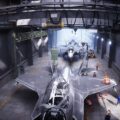
Aerospace cleaning must meet the specific requirements of mission-ready hangars, classified locations, and regulated industrial settings. It requires skilled workers with security clearances, cutting-edge cleaning tools, and knowledge of contamination hazards that could compromise the integrity of products or damage delicate equipment. Maintaining appearances vs. safeguarding national security, safety, and billions of dollars’ worth of assets is the difference between general cleaning and cleaning tailored for the aerospace industry.

What contamination risks make aerospace facility cleaning so critical?
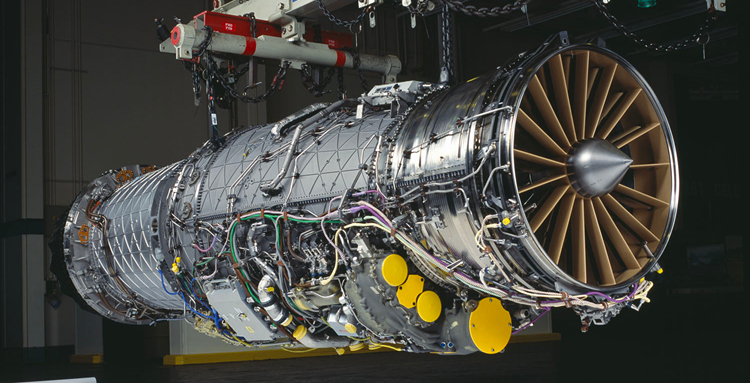
Contaminants are extremely sensitive in aerospace environments. Dust, dirt, or unclean surfaces can hinder the production of avionics, defense systems, or aircraft components. Foreign object debris (FOD), a major source of equipment failure and safety risks in aerospace operations, can be produced by even minuscule particles.
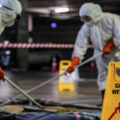
Aerospace installations are susceptible to both chemical contamination and physical waste. Inappropriate cleaning agents or residues have the potential to damage delicate materials, interfere with bonding procedures, or contaminate assembly-related coatings and adhesives. Another issue is bio-contamination, particularly in cleanrooms or laboratories where aerospace technology and human health and safety intersect.
Cleaning alone is not enough to mitigate these risks. Cleaning crews with aerospace protocol training are needed, as are materials and techniques that have been certified to stop FOD, corrosion, and cross-contamination.
What compliance standards must aerospace cleaning satisfy?
Some of the strictest compliance frameworks in the world apply to aerospace facilities, with requirements for security, safety, and cleanliness enforced by multiple agencies and standards:
- Department of Defense (DoD) and Federal Aviation Administration (FAA) regulations, along with international authorities, set strict facility requirements
- OSHA safety regulations establish workplace safety standards for aerospace environments
- AS9100 certification defines aerospace quality management expectations
- ISO 14644 standards govern cleanroom contamination control
- Additional government rules apply to classified areas, covering access, handling, and reporting protocols
- Audits, documentation, and training are required to demonstrate consistent compliance.
Failure to meet these standards can result in severe consequences, including production delays, equipment damage, and even safety hazards. Specialized aerospace cleaning programs ensure facilities meet these standards daily, lowering regulatory risk and building confidence in safe, mission-ready operations.

Why does aerospace facility cleaning require mission-critical reliability?
Aerospace operations, in contrast to conventional commercial facilities, cannot afford downtime caused by mistakes, delays, or contamination incidents during cleaning. One mistake might put lives at jeopardy, cause production schedule delays, or jeopardize flight readiness.
Teams that are trained to react promptly to pressing situations, including contamination accidents in manufacturing areas or unplanned repairs in hangars, are considered reliable in aerospace cleaning. Additionally, it entails continuously maintaining the highest possible cleanliness standards, allowing technicians and engineers to focus on their work without concern for potential environmental hazards.
Clear procedures, specialized tools, and staff who are aware that every cleaning task directly affects aeronautical performance and safety are necessary for mission-critical reliability.
What training and clearances do aerospace cleaning teams require?
Aerospace cleaning crews often require extensive training and, in many cases, government security clearances, unlike typical janitorial staff. Servicon offers specific training programs that equip technicians to operate in controlled, classified, and secure settings.
Our training programs are designed to equip our technicians with the skills and knowledge necessary to operate in controlled, classified, and secure settings. This includes training in contamination control, FOD prevention, cleanroom procedures, handling hazardous items, and the safe use of cleaning supplies and disinfectants approved by the aerospace industry.
To ensure that only authorized individuals have access to sensitive locations, staff working in high-security zones must also undergo background checks and maintain an active clearance status. Cleaning employees can work efficiently in settings where security and safety are top priorities, thanks to a combination of rigorous clearance procedures and technical training.

What role does technology play in aerospace commercial cleaning?
Aerospace cleaning programs rely on advanced technologies that enhance precision, consistency, and compliance:
- UV light systems help reduce microbiological contamination
- Electrostatic sprayers provide precise disinfection across complex surfaces
- HEPA-filtered vacuums capture microscopic particles that can cause FOD risks
- Robotics and automated cleaning systems are increasingly utilized in large hangars and cleanrooms to enhance uniformity and minimize human error
- Digital tracking and reporting tools document cleaning operations to prove compliance and facilitate audits
- Data-driven transparency and accountability ensure aerospace facilities maintain continuous improvement in cleaning standards.
Why choose Servicon for aerospace commercial cleaning?
Servicon’s mission-driven approach is a key reason why aerospace and defense organizations trust us for their cleaning needs. Our staff are dedicated to safeguarding locations where accuracy and dependability are crucial. They understand the distinction between ordinary cleaning and the specialized cleaning required in aerospace facilities. This dedication and understanding are what make Servicon a trusted partner in the aerospace industry.
By employing safe and efficient cleaning techniques that promote environmental objectives without sacrificing compliance, we provide a sustainability-focused approach. Our commitment to mission-critical reliability enables our clients to focus on innovation and flight readiness, while our training programs equip staff to address the unique challenges of aerospace environments.
Why do aerospace organizations trust Servicon for specialized cleaning solutions?
The level of specialized cleaning required by aerospace facilities is significantly higher than that of conventional commercial services. Aerospace cleaning is a highly specialized field because of the risks of contamination, compliance regulations, and the need for mission-critical reliability. Aerospace companies benefit from Servicon’s experience as a partner who recognizes these difficulties and provides cleaning solutions that safeguard personnel, property, and missions.