
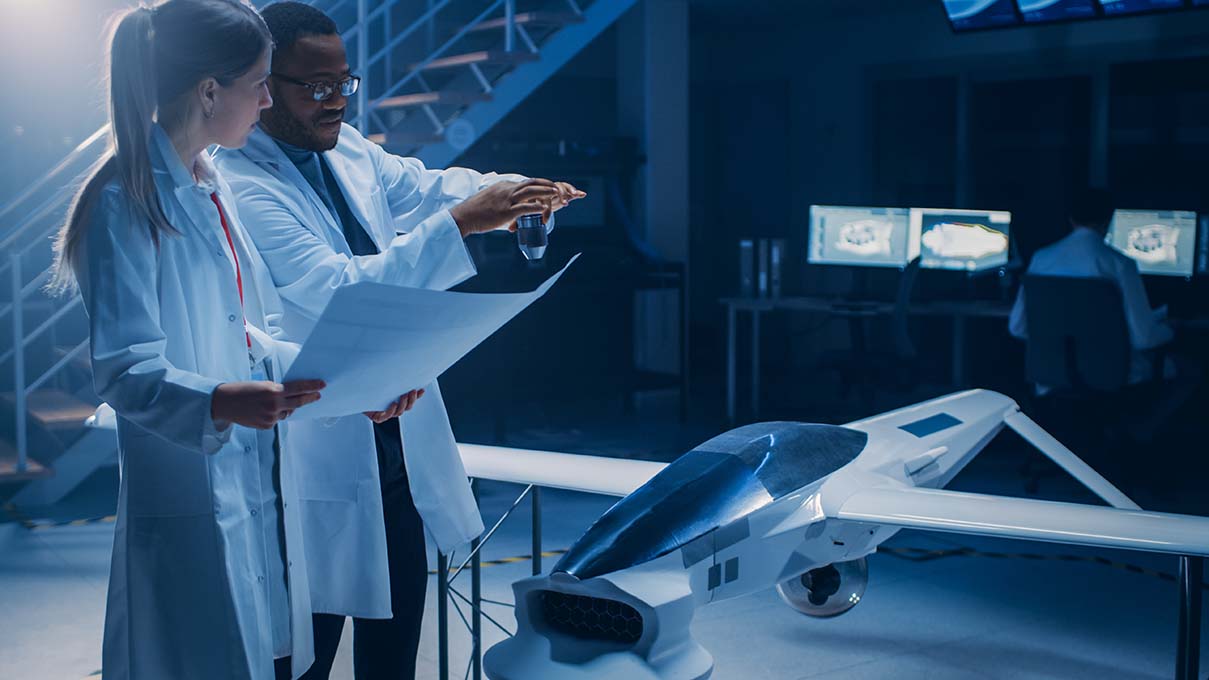
Foreign Object Debris, or FOD for short, is one of the biggest dangers in aerospace production and manufacturing settings. Even small things that don’t seem dangerous in regular buildings can be very dangerous when used in aircraft parts, spacecraft hardware, or areas where precision assembly is performed. Managing FOD is an important part of Aerospace Facility Maintenance because it directly affects the safety, performance, and reliability of complex systems that operate in flight, in orbit, or for defense.
To protect their equipment and the success of their missions, aerospace companies spend a lot of money on preventive programs, employee training, and quality control. Companies like Servicon are very important because they help these programs by providing structured cleaning procedures, trained staff, and ongoing training that strengthens a strong FOD prevention culture. Keeping your workspace clean and organized is more than just a good idea in a high-stakes setting. It is very important for the success of operations.
What is FOD?
Foreign Object Debris is anything that doesn’t belong in a certain aerospace environment, like an item, material, or particle. The term can refer to large items such as tools, parts, and hardware. However, most FOD incidents are caused by small items such as tape, dust, metal shavings, fibers, paper, or small pieces of production materials. Even a small object can be dangerous if it gets into an airplane engine, messes with satellite electronics, or scratches a critical surface.
Some common types of FOD are:
- Loose fasteners or washers
- Safety wire cuttings
- Tape fragments
- Gloves or wipes
- Pen caps and writing materials
- Plastic packaging
- Composite or metal shavings
- Dust, fibers, or particulates
- Personal items or dropped objects.
The risk comes from where the debris is placed. Aerospace parts are often very sensitive, light, and made with very tight tolerances. Any kind of contamination can hurt performance or cause huge failures.
Why FOD Matters to Aerospace Clients
Because contamination can have such bad effects, aerospace clients put FOD control at the top of their list of operational priorities. FOD can:
- Damage engines and propulsion systems
- Degrade avionics
- Interrupt electrical pathways
- Create mechanical failures
- Reduce efficiency in aerodynamic surfaces
- Delay manufacturing timelines
- Require costly rework or part replacement
- Trigger safety incidents or equipment loss.
In very bad cases, FOD has been linked to big accidents. Aerospace companies have strict FOD programs because it’s much easier, safer, and cheaper to stop damage from happening than to fix it.
When helping with Aerospace Facility Maintenance, Servicon needs to know how important FOD is. Our teams work in places where missing an inspection or losing an item can change the schedule, put hardware at risk, or make the mission fail.
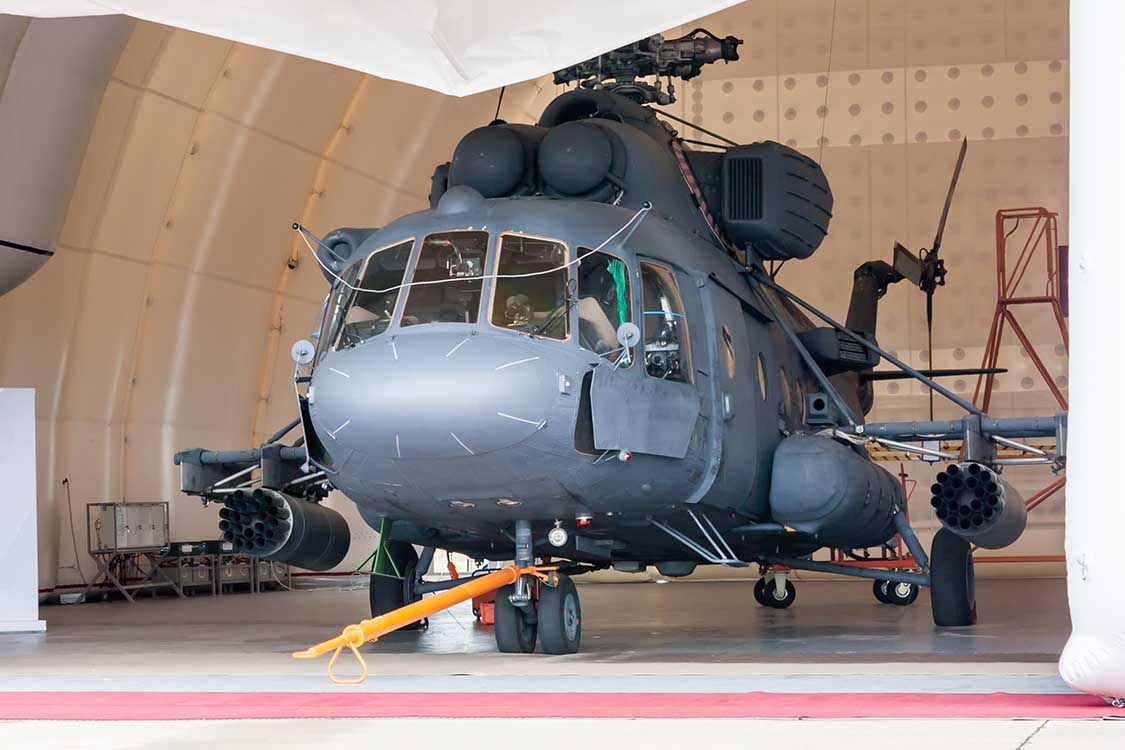
Where FOD Control Is Most Critical
FOD management is important for the whole aerospace campus, but some places need extra care. Some of these are:
1. Aircraft and Spacecraft Assembly Bays
Open structures, exposed wiring, and partially integrated hardware are extremely vulnerable to dropped items and particulates.
2. Engine and Propulsion Test Areas
Engines and thrusters can ingest even small objects, causing major damage.
3. Cleanrooms and ISO Controlled Environments
These spaces support sensitive manufacturing operations such as optics, avionics, and sensors, where particulate limits are strictly measured.
4. Composite Fabrication Rooms
Composite layups must remain free of contamination to maintain strength and structural integrity.
5. Satellite Integration Labs
Because satellites operate in harsh environments, a single piece of debris can compromise thermal systems or electrical components.
6. Flight Line or Hangar Spaces
Debris on a flight line can create significant hazards for ground personnel and aircraft during taxi, takeoff, or landing.
In all these locations, Servicon’s role is to control dust, eliminate debris, remove foreign objects, and maintain a contamination-free workspace that supports the client’s mission and quality expectations.
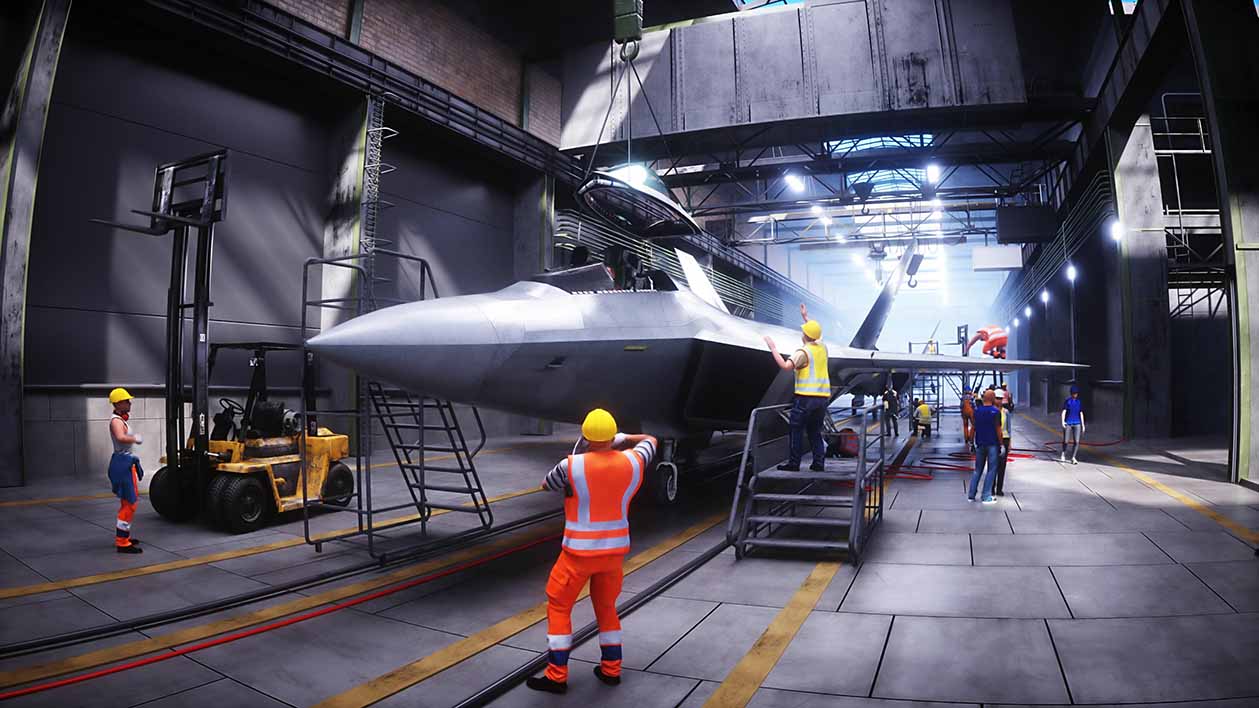
FOD Training Protocols for Cleaning Teams
Training is the first step in stopping FOD. Servicon includes detailed FOD modules in its onboarding and ongoing training programs. This training makes sure that all employees know how their actions affect the safety and dependability of aerospace hardware.
Some important parts of FOD training are:
- How to identify potential FOD sources
- Understanding the flow of tools, materials, and equipment
- Proper use of approved carts, bags, and containers
- Cleanroom and controlled environment behavior
- Tool accountability and check-in procedures
- Waste handling and removal protocols
- Behavior expectations around exposed hardware
- Daily inspection habits
- Communication procedures when FOD is found
- Documentation and reporting requirements.
Servicon helps build a workforce that supports aerospace production rather than putting it at risk by teaching employees how FOD occurs and how to prevent it.
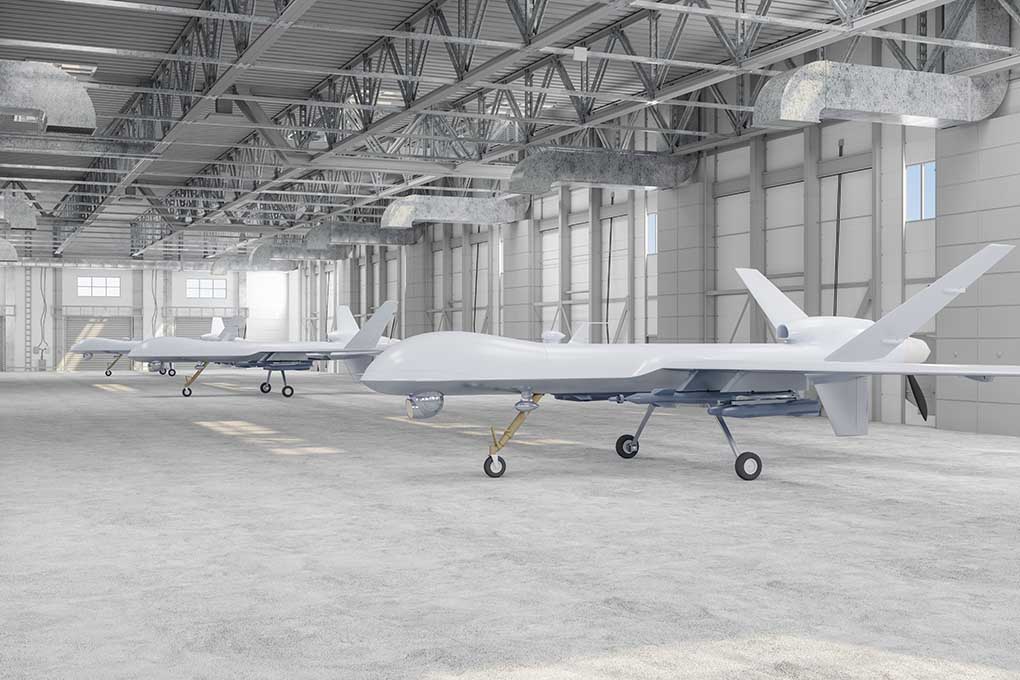
Building a FOD Prevention Culture
Training alone won’t keep the aerospace environment safe. Everyone who works in the building needs to think about how to prevent FOD every day. Servicon helps make this culture happen by coaching, supervising, and reinforcing it.
A strong FOD culture includes:
1. Knowledge
Workers need to understand that what they do has consequences. Taking off a glove or opening a pouch can make trash.
2. Accountability
Team members need to keep track of tools, store materials correctly, and not bring extra items into production areas that aren’t required.
3. Communication
Anyone who sees debris or potential FOD must report it to someone right away. Servicon teaches teams to act quickly and say to their bosses.
4. Inspection Habits
Supervisors at Servicon conduct regular walkthroughs to identify risks, address bad behavior, and ensure work areas remain under control.
5. Team-Based Responsibility
Everyone who works there is responsible for keeping FOD from happening. Servicon stresses working together with client teams to keep safe spaces.
One of the most important things you can do to stop FOD is change your culture. When workers know why debris control is important, they do every job with purpose and care.
Coaching and Continuous Improvement
New hardware, equipment, and processes are constantly being added to aerospace environments, which keeps them changing a lot. Servicon stays on track by always getting better and getting coaching.
Our coaching methods include:
- Daily shift briefings that reinforce FOD topics
- Regular supervisor observations
- Peer-to-peer support among experienced technicians
- Periodic refresher modules
- Collaboration with client quality teams
- Updates to procedures when new risks emerge.
This approach ensures the program stays current and effective. It also supports clients who must meet strict audit requirements from prime contractors and government agencies. Servicon’s consistent coaching helps reduce risk, improve production flow, and maintain a controlled environment.
How Servicon Supports Client FOD Programs
Both the client and the service provider need to work together to prevent risks from occurring for FOD programs to work. We make sure that our training, inspection protocols, and reporting systems fit in with the client’s existing program. We work with engineering teams, quality control groups, and facility managers to make sure that our cleaning methods meet their FOD standards.
Clients often provide:
- Facility-specific rules
- Program-level FOD expectations
- Approved tools and materials lists
- Controlled material handling guidelines
- Hazard awareness briefings.
Servicon provides:
- Industry-standard FOD training
- Cleaning methods designed to remove debris and particulates
- Trained personnel experienced in aerospace environments
- Daily inspections and reporting
- Support for audits and client reviews
- A structured cleaning plan that integrates with production schedules.
This shared responsibility model ensures that both organizations remain aligned and effective in preventing FOD.
The Role of Cleaning in FOD Prevention
One of the best ways to stop FOD is to clean. Even the most advanced processes in aerospace production need a controlled environment to keep things accurate and working well. Servicon’s cleaning teams help keep things safe by getting rid of trash before it becomes a problem, keeping contamination under control during active operations, and meeting strict client expectations by providing consistent service.
Servicon puts cleanliness, discipline, and attention to detail at the top of its list of priorities in all of its work because preventing FOD is so important to Aerospace Facility Maintenance. Because we are dedicated to training, culture, and coaching, our clients can keep their environments safe, efficient, and compliant, which helps them carry out their missions.