In aerospace facilities, precision, safety, and compliance are not optional; they are the building blocks of the business. Every surface, from sensitive cleanrooms to classified manufacturing bays, must be cleaned, kept up, and documented to meet strict industry standards. Companies in the aerospace industry depend on reliable partners who know how rules and regulations affect their day-to-day work. One of those partners is Servicon. We can help with complex programs, high production volumes, and safe operations, keeping aircraft and space systems running smoothly and reliably.
AS9100, ISO 14644, and Foreign Object Debris (FOD) prevention programs are among the most important frameworks for keeping aerospace clean. Even though they affect similar operations, each is intended only for certain types of facilities and points in the aerospace lifecycle. Knowing the difference helps leaders pick the right service provider and keep the production area safe and up to code.
What does AS9100 mean for cleaning in the aerospace industry?
The quality management standard AS9100 was made just for companies in the aviation, space, and defense industries. Based on ISO 9001, AS9100 incorporates additional guidelines for tracking, risk management, configuration control, and supplier monitoring. People usually consider AS9100 a manufacturing standard, but it also affects cleaning partners. If a facility’s cleaning processes introduce contamination, make it harder to follow documentation workflows, or don’t meet the quality standards set by AS9100, it can’t fully comply with them.
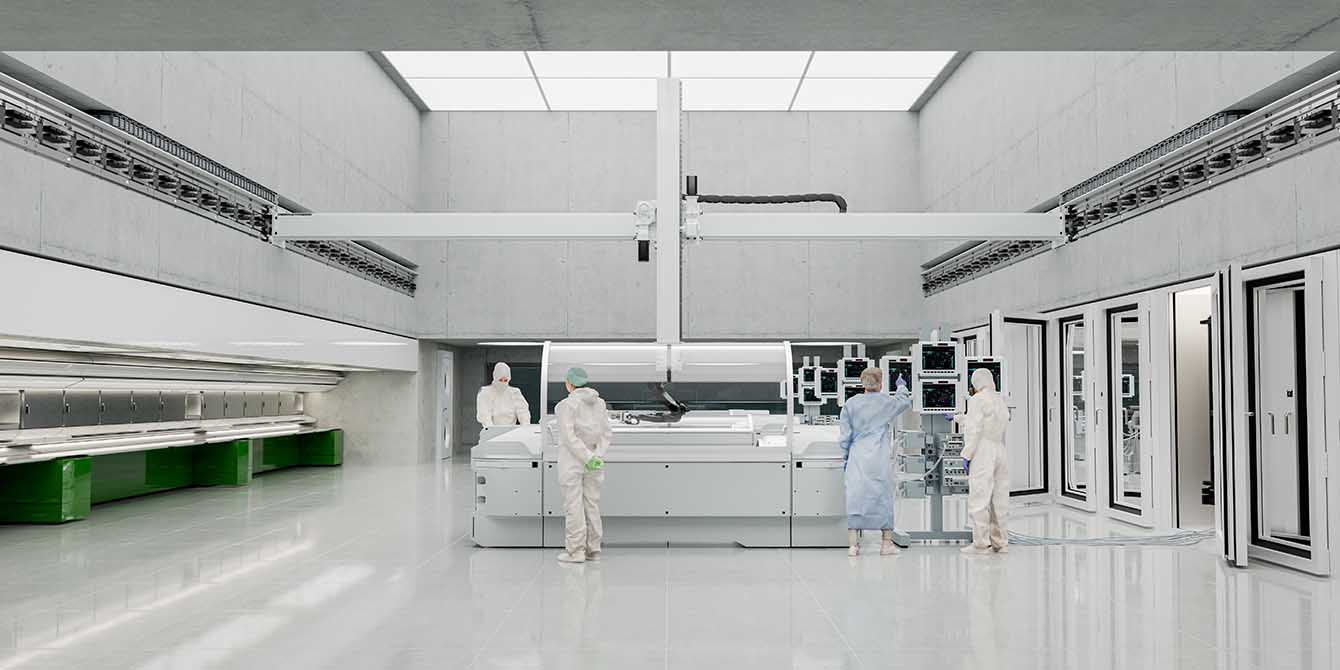
Most companies that make parts, assemble airplanes, make flight hardware, or build space systems need to be AS9100 certified. AS9100-aligned cleaning is also important for Tier 1 and Tier 2 suppliers, maintenance, repair, and overhaul teams, and high-precision machining shops, as even small changes can affect aircraft safety or mission success.
Servicon meets AS9100 standards by providing workers with standardized work instructions, detailed inspection protocols, and documented processes that make it easy to find. We teach our teams how cleaning affects the quality of the final product and how each task helps maintain compliance in the manufacturing environment. We help businesses stay ready for supplier audits by integrating quality checks into all their services.
What does ISO 14644 mean for Aerospace Cleanrooms?
ISO 14644 is the global standard that establishes requirements for cleanroom classification, airflow design, contamination control, and cleanliness measurement. It sets limits on the amount of particulate matter allowed in a controlled space and establishes tests to ensure the space always meets those standards. Aerospace companies use ISO 14644 to regulate the areas where they manufacture optical systems, propulsion parts, composite materials, sensors, and highly precise assemblies.
Any business using cleanrooms to build or test spacecraft hardware, avionics, satellites, or sensitive electronic assemblies must adhere to ISO 14644. The standard changes how people clean every day and requires cleaning teams that are very well trained and understand how materials, equipment, and gowning rules affect contamination levels.
Servicon helps you meet ISO 14644 standards by hiring certified cleanroom experts who know how to use HEPA filters and control material introduction and contamination control methods to keep particles from entering or circulating within the space. We follow written rules to maintain the cleanliness required for critical production and support programs that monitor the environment. This focus is crucial in Aerospace Facility Maintenance because contamination can slow down production and damage expensive hardware.
What Cleaning Teams Need to Know About FOD Prevention
Foreign Object Debris, or FOD, is anything that shouldn’t be in areas where aerospace production occurs and could damage equipment, aircraft, or flight hardware. Anything from tiny screws and metal shavings to food wrappers and tools left behind can be considered FOD. Even one piece of trash can scratch a composite surface, break a mechanical part, or cause a major failure. Aerospace companies need strict FOD prevention programs that cover every aspect of cleaning and maintenance.
FOD awareness is required in areas where aircraft are built, engines are manufactured, flights take off and land, and rockets or spacecraft are assembled. A strong FOD mindset is essential in any place where hardware is open, exposed, or assembled. Cleaning professionals need to know how to properly hold tools, inspect floors and surfaces, handle trash, and store equipment.
All of Servicon’s service models include FOD prevention. Our teams receive training on FOD awareness and know that keeping things clean is beneficial for both safety and production reliability. We use controlled material carts, follow check-in and check-out procedures for approved tools, and conduct detailed walk-throughs to identify potential hazards early. Preventing FOD is a key part of Aerospace Facility Maintenance, and it’s one of the most important things that cleaning partners do to help the mission succeed.
What Certifications Do Different Companies Need?
Despite their mutual influence, the AS9100, ISO 14644, and FOD programs cater to distinct business types:
AS9100
Businesses that design, build, or fix hardware for planes and spacecraft need AS9100. This includes machine shops, assembly lines, integration labs, and MRO centers.
ISO 14644
ISO 14644 is necessary for businesses that run cleanrooms or controlled environments. These companies often make avionics, propulsion components, satellite components, sensors, and electronics that require environments with very low particle levels.
FOD Plans
Any facility that works with aircraft, spacecraft, engines, or other sensitive aerospace equipment requires full FOD controls. This category includes places where things are made, hangars, test sites, and launch assembly areas.
If a company builds complicated systems for defense or space programs, it may need all three. Cleaning companies need to adapt to different environments and comply with the appropriate rules.

Why Servicon Picked CIMS Certification
Servicon keeps its CIMS certification because it is the most respected standard for cleaning companies in the US. The Cleaning Industry Management Standard (CIMS) establishes standards for quality systems, consistency of work, required documentation, expected training, and service delivery. CIMS certification demonstrates that a provider operates at the level of structure, rigor, and openness that aerospace clients expect.
Aerospace manufacturers need AS9100 for their processes, but cleaning service partners don’t need the certification themselves. What matters most is whether the partner can work with AS9100 processes. CIMS provides Servicon with the structure it needs to support clients’ quality systems and ensure our operations meet industry standards. For large-scale Aerospace Facility Maintenance programs, this is the best mix of structure and flexibility.
How Servicon Makes Sure That Manufacturing and Classified Areas Obey the Rules
Servicon has trained teams that work in manufacturing and research and development labs, assembling flight hardware, and secure classified areas. Our employees know how to obtain government clearance, control access to facilities, follow chain-of-custody procedures, and adhere to documentation protocols to keep sensitive information safe.
To make sure that you are following the rules:
- Our standard operating procedures are based on AS9100 and ISO 14644
- We do regular audits and digital checks to ensure everything is working as it should
- We teach teams how to keep their workspaces safe, avoid FOD, and control contamination
- We make cleaning plans that are specific to spacecraft assembly, composite layup rooms, engine shops, and secret facilities
- We stay open by being honest in our reports and talking to our clients’ quality teams.
This level of discipline helps aerospace partners stay ready to work, lower risk, and meet the high standards of both government and commercial customers.