Hospitals are always under pressure to maintain safe, clean environments while also managing a high patient volume and strict regulations. Cleaning hospitals is now much more than just cleaning surfaces; it is now a daily priority to stop infections. Today, healthcare environmental services use advanced tools, data, and automation to reduce risk and improve outcomes.
Servicon sees EVS healthcare as a system that links people, processes, and technology. The goal is to get consistent, measurable results that help keep patients safe, make staff more efficient, and improve how the business runs.
Why a New Way of Thinking About Hospital Hygiene is Needed
Old-fashioned ways of cleaning are still important, but they aren’t enough on their own anymore. Hospitals face many problems, like hospital-acquired infections, a lot of patients coming and going, and people constantly using the same spaces. Even small gaps in cleaning can have big effects.
Environmental services in healthcare need to deal with these risks very carefully. This means finding high-touch surfaces, ensuring disinfectants are used correctly, and ensuring that all departments follow strict cleaning rules. Technology is now a big part of helping teams meet these goals. Advanced EVS systems make it easier to assess cleaning quality, reduce the risk of human error, and ensure more consistent cleaning across large buildings. These changes directly affect patient safety and the quality of care as a whole.
The Role of Automation in Healthcare for EVS
Automation is changing how hospitals plan and carry out cleaning. It helps reduce the amount of work that needs to be done by hand while also making it more accurate and efficient.
Cleaning Floors with Robots
Many healthcare facilities now use autonomous machines to clean floors. These systems can move through hallways, patient rooms, and common areas with minimal assistance. They follow programmed paths and change course when they run into something. This lets EVS teams keep up with regular floor care while also focusing on more detailed cleaning tasks. It’s not just about how clean the floors look. They lower the risk of slipping and stop germs from spreading.
Systems for Automated Disinfection
Automation also helps with cleaning surfaces. You can program devices to provide consistent disinfectant coverage, ensuring that important areas receive the right amount of contact time. This makes it less likely that things will change when you clean by hand. Hospitals can better follow infection control rules by standardizing these processes across the board.
Automating Workflows and Managing Tasks
Digital platforms now help EVS teams with their daily tasks. These systems track who is responsible for cleaning and how far along they are, and provide real-time updates. Supervisors can monitor performance and fix problems right away. Automating task management reduces the likelihood of missed steps and makes everyone on the team more accountable.

The Effects of UV Disinfection on Patient Safety
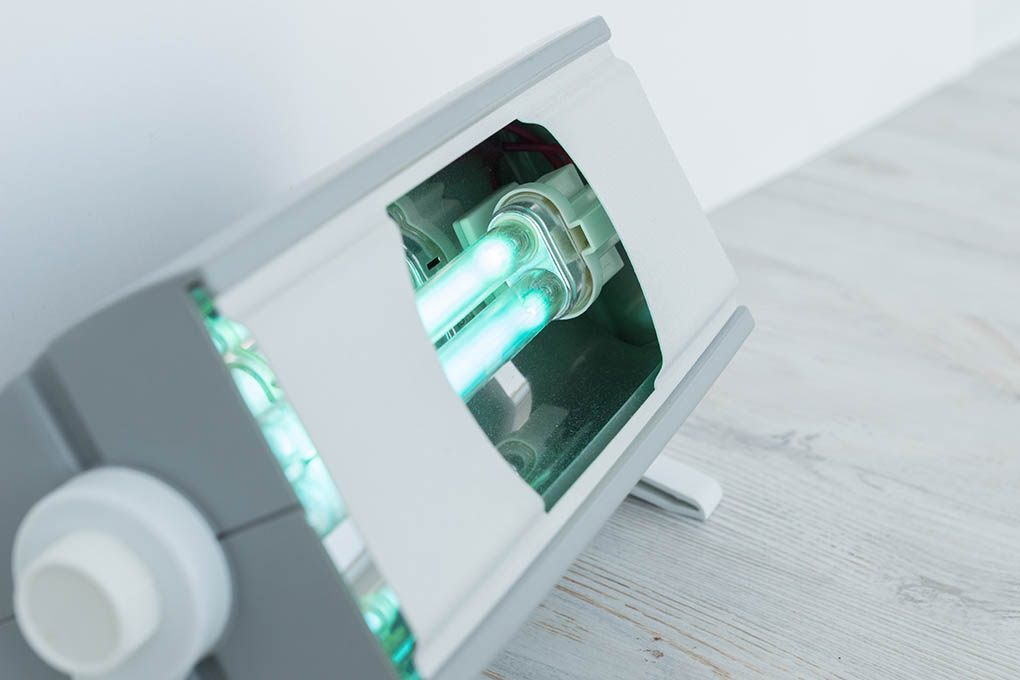
Cleaning hospitals with ultraviolet light has become a very effective method. It protects you even more by targeting germs that might remain after cleaning by hand.
How UV-C Technology Works
UV-C light breaks down the DNA of viruses and bacteria, preventing them from reproducing. When used properly, it can greatly lower the number of harmful germs on surfaces. Hospitals often use UV devices in patient rooms after they leave, as well as in surgical areas and isolation rooms. This is called terminal cleaning.
Advantages of UV Disinfection
UV disinfection makes environmental services in healthcare more effective by reaching areas that are hard to clean by hand. It offers a reliable way to reduce the number of microbes without relying solely on chemicals. It also helps infection prevention programs by making the cleaning process more measurable.
Combining with Standard Cleaning Methods
You can’t use UV technology instead of cleaning by hand. It works with traditional methods instead. Before UV treatment, surfaces still need to be cleaned to remove dirt and organic matter. When used correctly, UV disinfection improves the overall cleaning performance and lowers the risk of infection.
Start your journey toward safer, more compassionate cleaning.
Smart Monitoring and Cleaning Based on Data
One of the most important improvements in EVS healthcare is the use of data to inform cleaning decisions. Smart monitoring systems give you real-time information about how clean the place is and how well it is working.
Tools for Digital Inspection
Supervisors can use standardized criteria and inspection software to assess cleaning quality. Results are recorded and tracked over time, making it easy to see how well someone is doing. This helps identify patterns, fill in gaps, and improve training programs.
Tracking Tasks and Locations in Real Time
Some systems use sensors and mobile devices to monitor where employees are going and how well they are doing their jobs. This ensures that all assigned areas are cleaned and that the cleaning schedules are followed. Real-time tracking also lets managers respond quickly to urgent cleaning needs, such as spills or contamination incidents.
Environmental Monitoring Systems
Sensors can measure things like air quality, humidity, and surface contamination. These systems let you know early on when things get outside of acceptable ranges. Hospitals can maintain safe conditions by constantly monitoring the environment.

Managing High-Touch Surfaces
Cleaning high-touch surfaces is a big part of hospital cleaning. These include door handles, light switches, bed rails, and controls for medical equipment. Patients, staff, and visitors frequently touch these areas, making them a major source of contamination. Advanced EVS technology helps ensure that these surfaces are cleaned consistently and thoroughly.
Standardized Cleaning Procedures
Digital checklists help staff know what to do at each step of the cleaning process. This makes sure that every surface is cleaned and that the right methods are used.
Ways to Check
You can use fluorescent markers and other validation tools to ensure surfaces are clean. These methods provide objective data that support quality assurance efforts.
Always Getting Better
Data collected from inspections and monitoring systems helps refine cleaning protocols over time. This leads to better outcomes and more efficient use of resources.
Training and Technology Adoption in EVS Healthcare
Technology is only effective when teams know how to use it properly. Training is a critical part of modern environmental services in healthcare.
Skill Development
EVS staff must be trained in both traditional cleaning techniques and new technologies. This includes operating automated equipment, using digital platforms, and understanding infection control principles.
Ongoing Education
Healthcare environments are constantly evolving. Ongoing training ensures that staff stay current with best practices and new tools.
Building a Culture of Accountability
Technology supports accountability, but culture drives performance. Clear expectations, consistent feedback, and strong leadership help ensure that standards are met.

Supporting Compliance and Patient Outcomes
Hospitals must meet strict regulatory requirements related to cleanliness and infection control. Advanced EVS systems make it easier to demonstrate compliance. Digital records document cleaning activities, inspections, and corrective actions. This information is valuable during audits and helps maintain accreditation standards. More importantly, improved hospital cleaning directly impacts patient outcomes. Reducing infection risk leads to shorter hospital stays, lower costs, and better patient experiences.
Start your journey toward safer, more compassionate cleaning.
How Servicon Elevates Environmental Services in Healthcare
Servicon combines advanced technology with proven processes to deliver high-quality EVS healthcare solutions. The focus is on creating systems that are reliable, scalable, and aligned with each facility’s needs. By integrating automation, UV disinfection, and smart monitoring, Servicon helps hospitals achieve consistent cleaning results. Teams are trained to use these tools effectively, ensuring that technology supports daily operations rather than complicating them.
This approach allows hospitals to maintain safe environments while improving efficiency and reducing risk.
How Is Advanced EVS Technology Improving Hospital Hygiene and Patient Safety?
Hospital hygiene is evolving rapidly. Advanced EVS technology is changing how cleaning is performed, measured, and managed. Automation improves efficiency. UV disinfection adds a critical layer of protection. Smart monitoring provides the data needed to maintain high standards.
Together, these tools are transforming environmental services in healthcare. They support safer environments, better patient outcomes, and more efficient operations. For hospitals, investing in advanced EVS solutions is not just about cleanliness. It is a key part of delivering quality care.