Hospital safety is greatly impacted by Environmental Services, or EVS. Every day, EVS teams clean waiting areas, operating rooms, hallways, and patient rooms. Their efforts safeguard patients, guests, and employees while halting the spread of infections. Hospitals run a greater risk of illness and safety problems in the absence of robust EVS programs. EVS work is more than just cleaning. Teams adhere to stringent protocols, manage biohazards, and clean high-touch surfaces. Hospitals must prioritize the use of appropriate PPE and ongoing training to address this risk. Together, these two sections keep everyone inside the building safe.
Why Is Proper PPE Critical for Hospital EVS Teams?
EVS employees are shielded from chemicals, germs, and bodily fluids by personal protective equipment, or PPE. Each shoe cover, face shield, mask, glove, and gown serves a specific purpose. Each component shields the worker from hazardous exposure. PPE reduces the risk of infection and injury when used properly. There are many hidden risks in hospitals. Airborne particles, bloodborne pathogens, and harsh disinfectants are prevalent. PPE gives EVS employees the assurance they need to carry out their jobs safely. Even simple cleaning chores could become hazardous without it.
What Types of PPE Do EVS Workers Use?
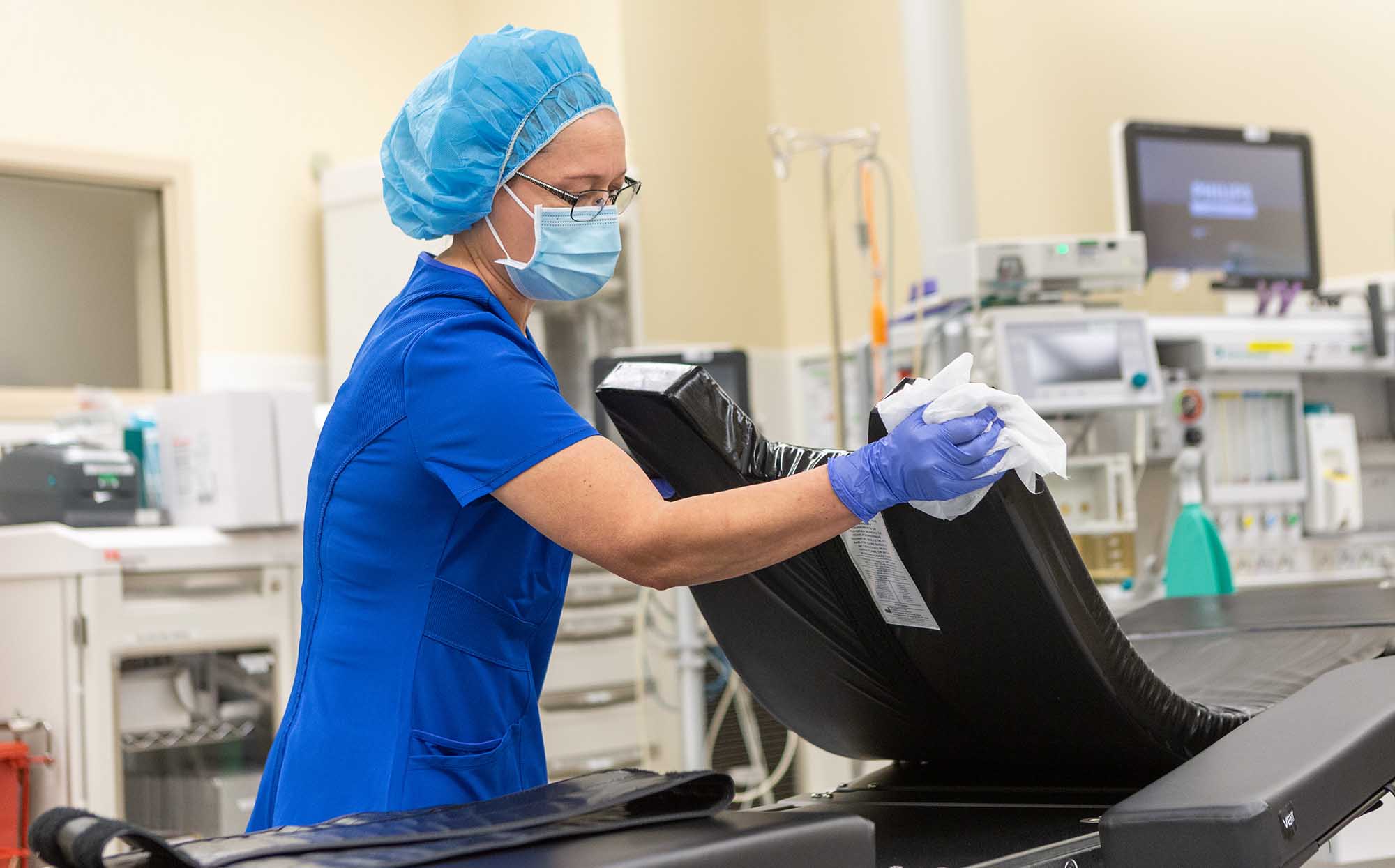
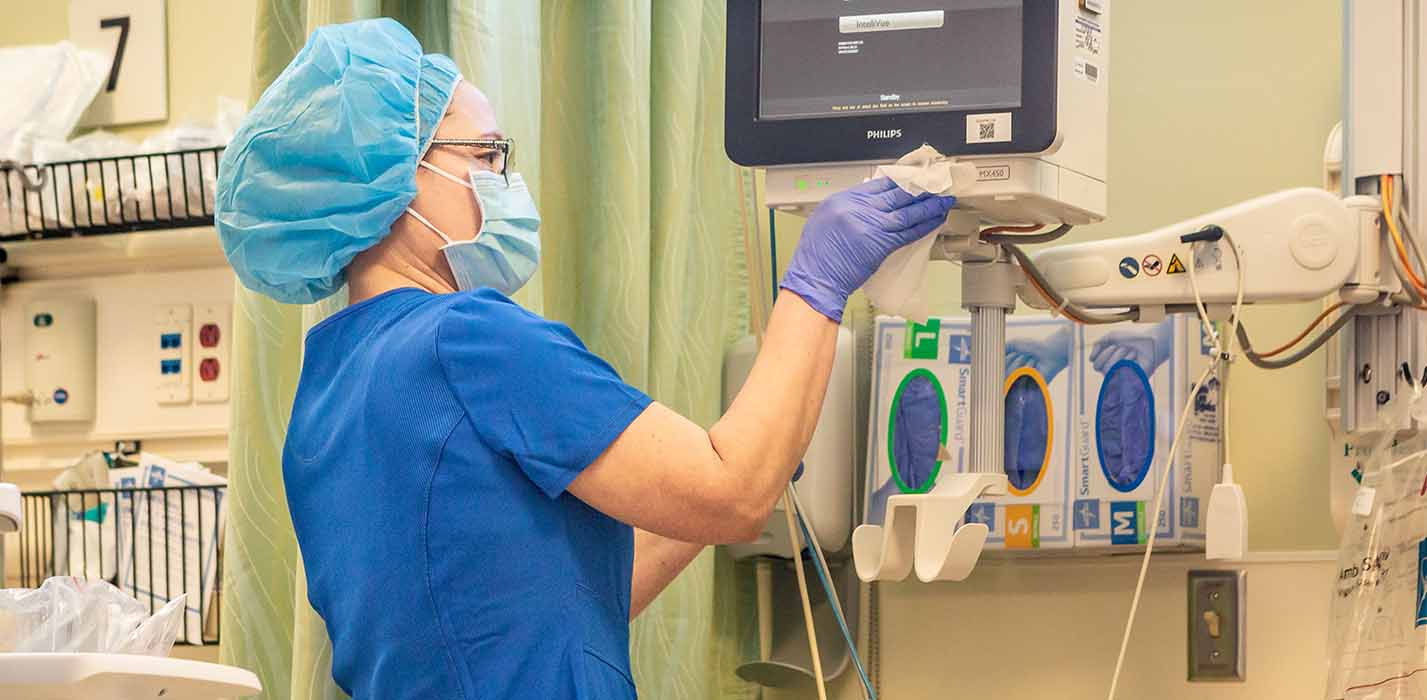
Depending on the task, EVS teams employ various PPE. Gloves protect hands during waste handling and surface cleaning. Respirators and masks lessen exposure to airborne particles. Clothing and skin are protected from splashes by gowns and aprons. When handling chemicals or bodily fluids, eye protection is important. Covering your shoes helps stop pollutants from being carried from one room to another. Training ensures employees select the appropriate PPE for every task. Problems can arise from using too little or too much equipment.
How Can Appropriate PPE Stop the Spread of Infections?
Infections are a constant battle in hospitals. By cleaning surfaces that germs use to spread, EVS teams aid in this endeavor. Contaminants are prevented from transferring between areas by PPE. This defense helps break the chain of infection. Cross-contamination is decreased when employees switch gowns and gloves between rooms. Droplets are prevented from entering the face by masks and eye protection. These simple steps protect patients with weakened immune systems. PPE also protects healthcare personnel who rely on hygienic surroundings.
Why is training equally important as PPE?
People cannot be kept safe by PPE alone. EVS teams receive training on proper equipment use. Employees may wear PPE incorrectly or forget important procedures if they are not trained. This results in protection gaps. Training covers how to safely put on and take off personal protective equipment (PPE). It also explains the significance of each step. People are more likely to abide by the rules when they comprehend their rationale. Hospitals become safer as a result.
What Topics Should EVS Training Cover?
The fundamentals of infection control should be covered first in EVS training. Employees must be aware of the dangers and how germs spread. Training covers chemical safety, appropriate dilution, and surface contact times. These procedures ensure that cleaning supplies perform as intended. Selection, fit, and disposal are the main topics of PPE training. Additionally, teams learn how to handle waste, respond to spills, and wash their hands. Regular refreshers help reinforce best practices. Training ought to remain straightforward, unambiguous, and constant.
How Does Training Improve EVS Consistency?
When it comes to hospital cleaning, consistency is important. The same requirements must be met in each room. Training establishes common standards for teams and shifts. It lowers errors and speeds up learning for new hires. Staff members are better able to know exactly what to do when procedures are clear. Teams adapt to new tools or procedures when training is kept up to date. In addition to helping hospitals comply with regulations, this consistency promotes patient safety. Additionally, it fosters trust among clinical personnel.
What Takes Place When Training and PPE Are Inadequate?
Risks increase rapidly when PPE use or training is inadequate. Infection rates can rise along with staff injuries. Errors could result in chemical exposure or contaminated surfaces. These problems may impact patient outcomes. Inadequate procedures also lead to compliance issues. Hospitals might face fines or fail inspections. Employees at EVS might feel unsupported or unsafe. Such feelings may eventually result in lower morale and turnover.

How Do EVS Leaders Support PPE and Training Programs?
Safe EVS programs are driven by strong leadership. Leaders are responsible for providing appropriate PPE and replacing it as needed. They also organize regular training sessions and monitor the output. Everyone stays in sync when communication is clear. Supervisors ought to watch the work and offer comments. They avoid more serious issues by addressing problems early. Leaders also listen to employees’ concerns about equipment or safety. This participation demonstrates a dedication to worker protection.
Why Is Continuous Training More Important Than Individual Sessions?
Over time, hospital risks vary. There are new products, equipment, and pathogens. No single training session can cover every situation. Continuous learning keeps EVS teams ready. Refresher sessions reinforce proper habits. Staff members are better able to recall important steps after brief, targeted training. Additionally, ongoing training promotes quality improvement and compliance. It demonstrates that safety is still a top concern every day.
How Are Patients and Families Protected by PPE and Training?
Patients trust hospitals to keep them safe. That promise is directly related to EVS teams. Appropriate PPE and training decrease infection risks in patient rooms and public spaces. This protection helps patients heal without added complications. Clean spaces are also beneficial to families and guests. Transparent safety procedures increase confidence in the facility. Everyone in the hospital is affected when EVS teams operate safely. Clean environments support better care outcomes.
The Importance of Proper PPE and Training in EVS for Hospitals
Appropriate PPE and training form the foundation of effective hospital EVS programs. They work together to keep employees, patients, and guests safe. Hospitals can increase safety, consistency, and trust throughout the facility by investing in both.