
What is Contact Time?
Contact time is the required wet period for disinfectants to kill pathogens effectively, ensuring regulatory compliance, reliable sanitation, and reduced contamination risk across all facility types.
Contact Time Definition
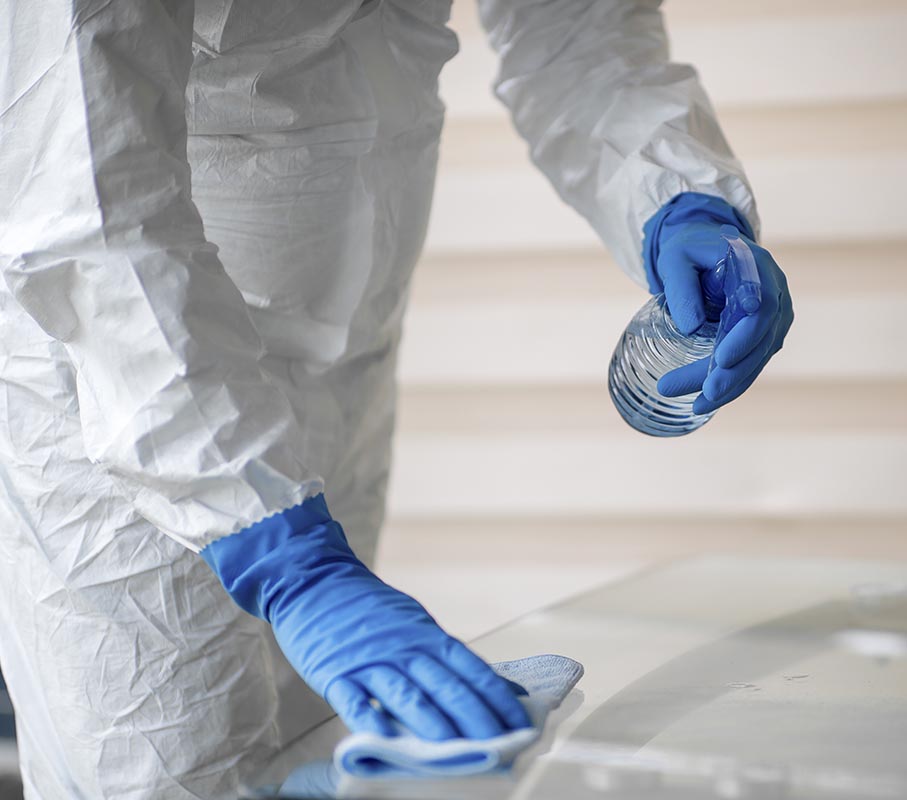
Contact time is the time a disinfectant must remain visibly wet on a surface to achieve the manufacturer’s promised level of pathogen reduction. This wet period is necessary because disinfectants require prolonged interaction with microorganisms to break down their cellular structures or disrupt vital biological processes. If a product dries before the specified contact time, the disinfectant may fail to perform as intended, leaving harmful bacteria, viruses, or fungi on treated surfaces. Every EPA-registered disinfectant’s label specifies a contact time that must be strictly followed to ensure sanitation procedures are both effective and regulatory-compliant. Contact time varies widely across products, ranging from less than a minute to more than 10 minutes, depending on formulation, active ingredients, and target pathogen types.
Understanding the Required Wetness Duration is Important
A thorough understanding of contact time is critical for achieving consistent surface disinfection in all types of facilities. If the surface begins to dry before the specified time frame, personnel may need to reapply the product, increasing labor time and chemical use. Maintaining the proper wetness ensures that pathogens are fully exposed to the disinfectant, avoiding incomplete kill cycles that could lead to cross-contamination or the spread of infectious agents. This accuracy is especially important in high-traffic areas such as restrooms, cafeterias, reception areas, laboratories, and patient care areas, where contamination risks are higher. Knowing the correct contact time also enables operations teams to choose the best disinfectant for the workflow, particularly when a quick turnaround is required.
Factors That Influence Contact Time Effectiveness
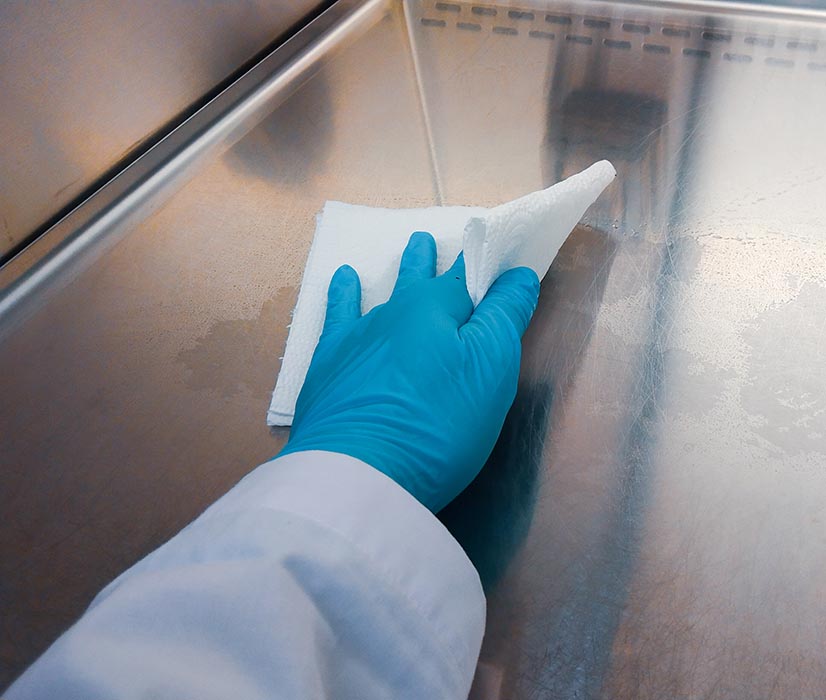
Several factors influence whether a disinfectant remains sufficiently wet to meet the required contact time. Temperature, humidity, and ventilation can all affect how quickly or slowly drying occurs. The type of surface material is also important, as porous or textured surfaces absorb products more rapidly than smooth, nonporous surfaces. The application method can also influence coverage and wetness time, such as whether a spray, wipe, or electrostatic tool is used. Personnel must be trained to apply enough product to keep surfaces thoroughly wet throughout the contact period while avoiding oversaturation. Understanding these variables enables teams to achieve consistent and reliable results.

Regulatory and Compliance Considerations
EPA-registered disinfectants are tested in a controlled laboratory environment, and their labels specify the exact contact times required to achieve pathogen kill claims. Following these instructions is necessary to comply with federal regulations and recognized sanitation best practices. Using shortcut methods or guessing at contact times can jeopardize overall infection control efforts. Compliance is especially important during audits or inspections because documented adherence to label instructions demonstrates proper disinfectant stewardship and validates training protocols.
Operational Advantages of Managing Contact Time
Effective contact time management contributes to safer and more predictable sanitation outcomes. When employees understand how long surfaces must remain wet, scheduling becomes easier, and workflow interruptions are reduced. Teams can optimize their routes by coordinating product selection with dwell requirements. Shorter contact times may be useful in busy areas that require quick reoccupation, whereas longer dwell times may be appropriate for deep cleaning procedures. A clear understanding of contact time also reduces the risk of overuse, lowers supply costs, and reduces chemical exposure to building occupants.
Contact Time and Facility Services are Relevant
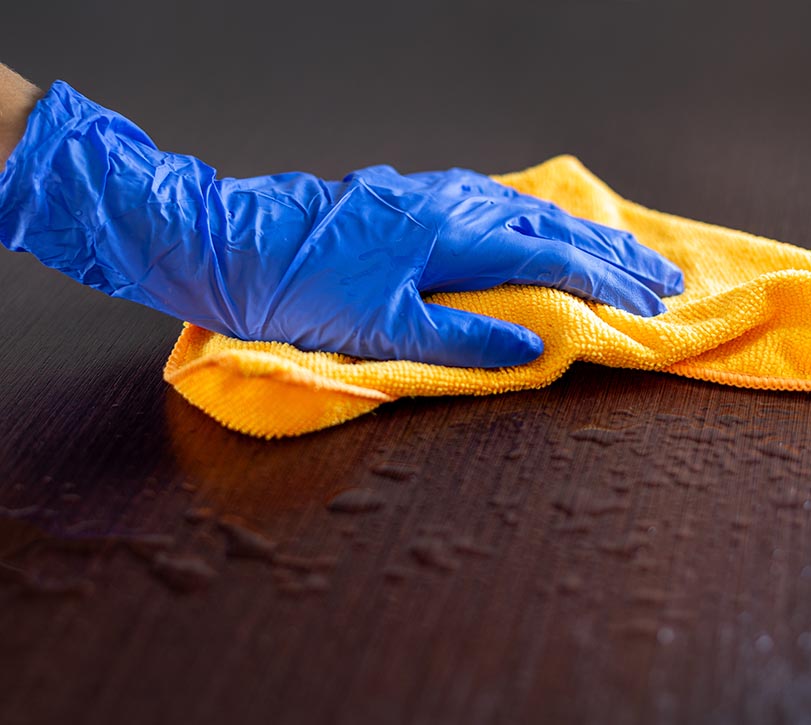
To maintain sanitary conditions and meet public health standards, facility services rely on the accurate application of disinfectants. Contact time is critical to the success of these procedures because it determines how long cleaning professionals must leave surfaces untouched before reopening the space or performing additional tasks. In settings such as schools, office buildings, industrial sites, and healthcare facilities, maintaining proper contact time has a direct impact on outcomes such as reduced absenteeism, reduced contamination spread, and improved indoor environmental quality. Service providers frequently match products to specific facility types to ensure the required dwell time aligns with operational demands, occupancy cycles, and risk levels.
Use of Contact Time for Commercial Cleaning Companies
Commercial cleaning companies consistently rely on precise contact time adherence to provide dependable disinfection across a wide range of client sites. Their technicians are trained to understand product labels, account for environmental factors, and apply solutions to ensure surfaces remain wet for the required duration. This knowledge enables clients to maintain compliance, achieve higher sanitation standards, and reduce the liability associated with improper disinfection. Contact time knowledge is an essential skill for commercial cleaning providers, as it promotes efficiency, customer trust, and consistent performance across all serviced environments.