
What is High-Touch Surfaces?
High-Touch Surfaces Definition
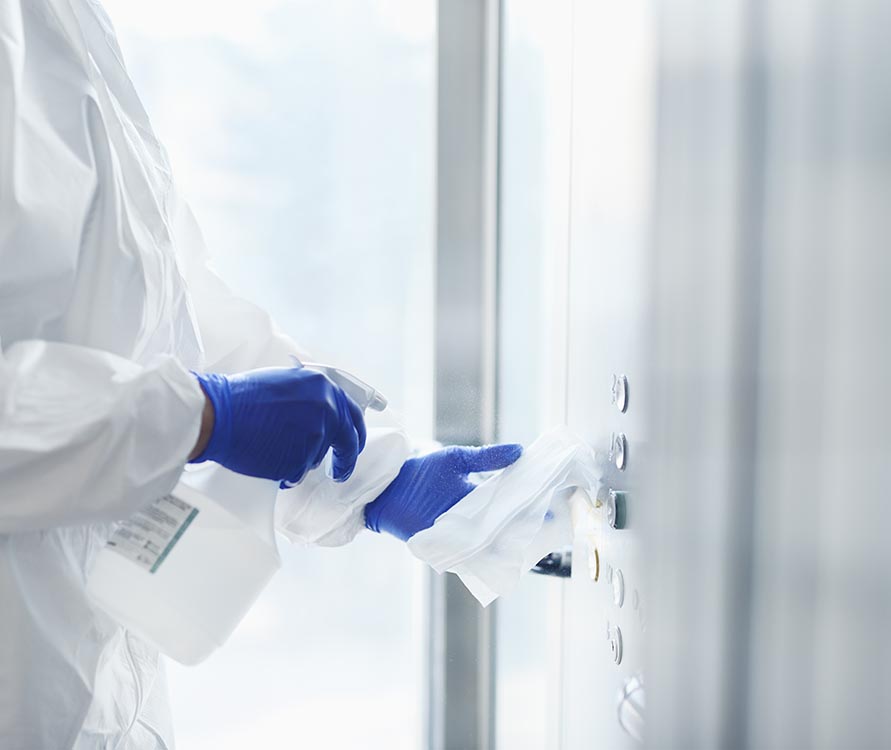
High-touch surfaces are areas, objects, or fixtures in a built environment that are frequently touched by humans and thus pose a higher risk of contamination with microorganisms. These surfaces may include door handles, light switches, bed rails, elevator buttons, faucet handles, nurse call buttons, keyboards, tabletops, and other frequently used areas throughout a facility. Because multiple people often touch these surfaces, they can become reservoirs for bacteria, viruses, and other pathogens. Regular and proper cleaning and disinfection of high-touch surfaces is critical for preventing the spread of microorganisms from person to surface and surface to person. This lowers the risk of contamination in public, commercial, and healthcare environments.
The Importance of High-Touch Surface Identification
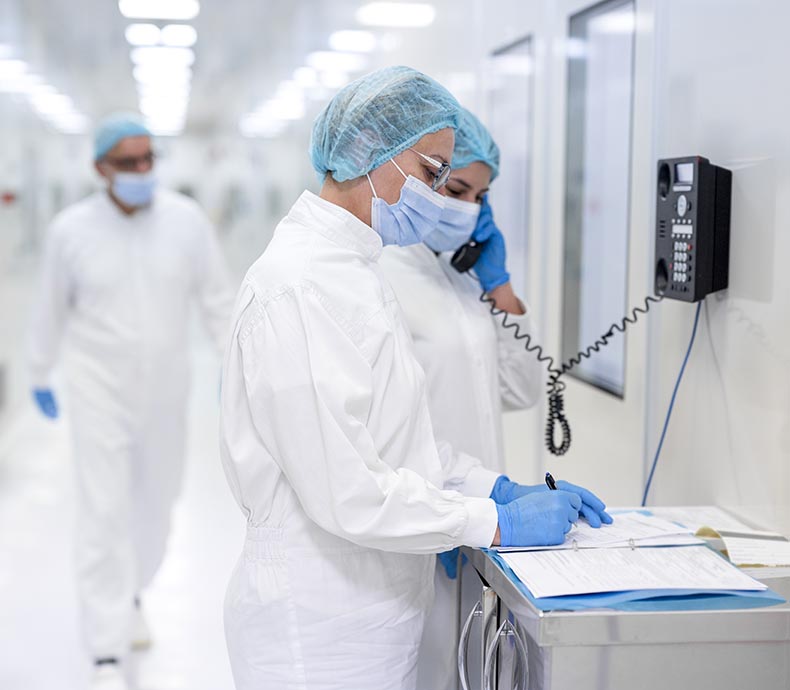
Identifying high-touch surfaces is a critical component of any infection prevention strategy. The frequency with which a surface is touched influences its likelihood of containing harmful microorganisms. Without clear identification, cleaning personnel may overlook critical areas or fail to prioritize surfaces that pose the highest risk of cross-contamination. The process of assessing rooms, workspaces, and communal areas enables teams to develop tailored cleaning plans that address the unique risks of each environment. Understanding which surfaces are most frequently contacted enables organizations to set cleaning frequencies and product types in line with current public health recommendations and operational requirements.
The Link Between High-Touch Surfaces and Pathogen Spread
High-touch surfaces play an important role in the transmission of infectious agents. When contaminated hands come into contact with a surface, pathogens can be deposited and survive for varying lengths of time, depending on temperature, humidity, material type, and the microorganism involved. Subsequent contact with other people can facilitate indirect transmission, which has been linked to healthcare-associated infections and other illness outbreaks. Consistent and thorough disinfection of these high-traffic areas breaks the chain of transmission. Regular organic soil removal and the use of EPA-registered disinfectants help reduce microbial presence and infection risks in shared environments.
Prioritizing High-Touch Surfaces in Healthcare
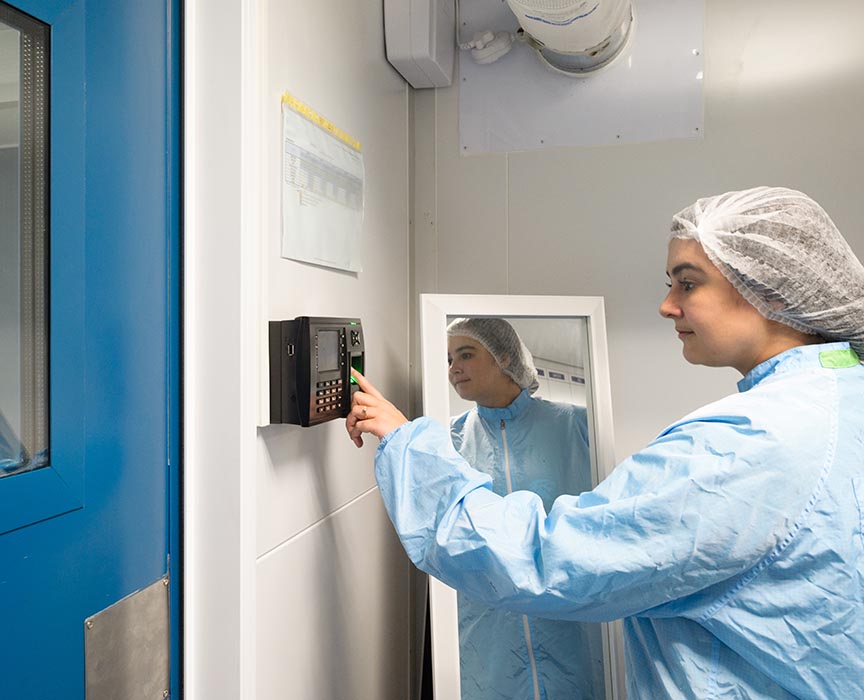
In healthcare settings, high-touch surfaces are directly related to patient safety and infection control. Bed rails, nurse call buttons, overbed tables, IV poles, and shared medical devices are common contact points for providers, patients, and visitors. Because vulnerable individuals may have weakened immune systems, these surfaces must be thoroughly cleaned and disinfected to reduce the risk of healthcare-associated infections. To ensure high-touch surfaces are consistently treated, facilities often use structured cleaning schedules, standardized product use, and documented workflows. The emphasis on these areas promotes safer care delivery and aids in compliance with regulatory standards.
Environmental and Behavioral Factors that Increase Risk
Several factors influence the frequency with which contaminants accumulate on high-touch surfaces. High occupancy, rapid turnover of room users, poor hand hygiene compliance, and the presence of symptomatic individuals all contribute to higher surface contamination rates. Environmental factors such as small confined spaces, shared equipment, and open floor plans can all increase surface contact frequency. Monitoring activity patterns and user behavior helps cleaning teams identify emerging high-touch points that may not have been previously identified, such as touchscreen panels, mobile devices, or temporary equipment added during peak operational periods. Adapting cleaning protocols to these factors improves overall sanitation.
Relevance of High-Touch Surfaces in Facility Services
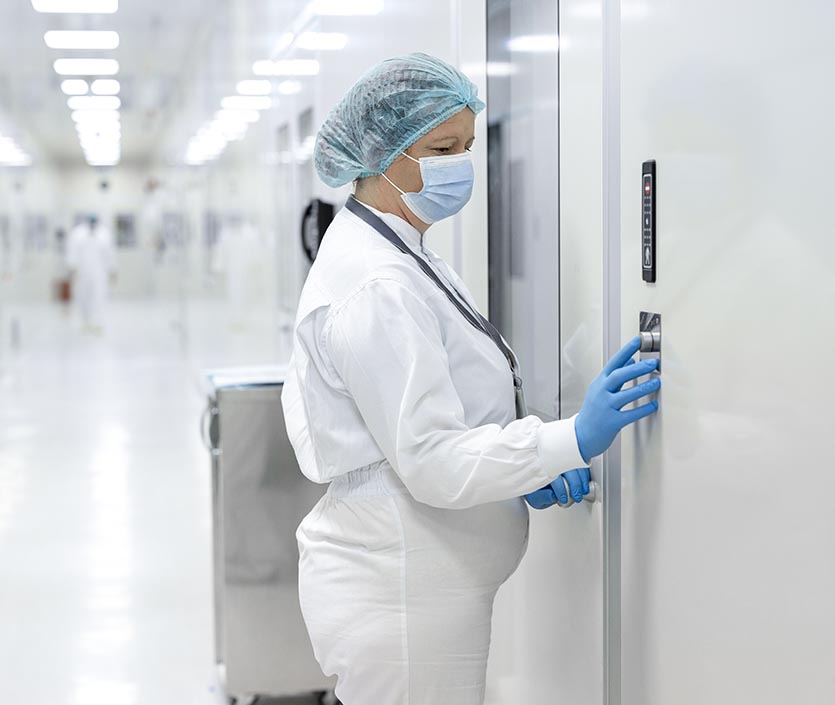
High-touch surfaces are an important part of facility service programs because they necessitate priority cleaning to reduce contamination risks in workplaces, schools, industrial sites, public venues, and other high-occupancy areas. Accurate identification and routine disinfection of these surfaces promotes healthier indoor conditions and increase occupant confidence. Facility teams conduct risk-based assessments to determine which surfaces require frequent attention and adjust cleaning schedules to coincide with peak usage times or seasonal illness trends. By emphasizing high touch points, facility service operations promote overall building hygiene and consistent sanitation performance.
Connection Between High-Touch Surfaces and Commercial Cleaning Companies
Commercial cleaning companies prioritize proper management of high-touch surfaces because they have a significant impact on sanitation quality and client satisfaction. Cleaning technicians are trained to identify high-traffic areas, understand pathogen transfer risks, and use disinfectants according to label instructions for maximum effectiveness. Their expertise ensures that high-touch surfaces are properly cleaned and disinfected to support operational safety, regulatory compliance, and health protection. By focusing on these critical surfaces, commercial cleaning companies deliver measurable value and help clients maintain cleaner, safer environments across a wide range of facility types.