
Additionally, clients and auditors are always watching you work. Every day, they anticipate environments that are hygienic, regulated, and recorded. Meeting these expectations is directly related to facility maintenance. Comprehending the primary obstacles facilitates the development of more intelligent solutions.
Challenge 1: How Do You Control Contamination in High-Risk Areas?
One of the main issues in aerospace facilities is contamination control. Residue, dust, and debris can cause parts damage or delay inspections. Particles can enter sensitive areas even through foot traffic. You have to oversee cleanliness across expansive spaces with varying levels of risk.
Zoning your facility and matching cleaning techniques to each area will help you solve this. Stricter timetables and equipment are required in high-risk areas. Practical steps include:
- Color-coded tools for different zones
- Cleaning frequency documentation
- Regular examinations with precise acceptance standards.
These procedures produce repeatable outcomes and lessen cross-contamination.
Challenge 2: Managing HVAC Systems Under Heavy Use
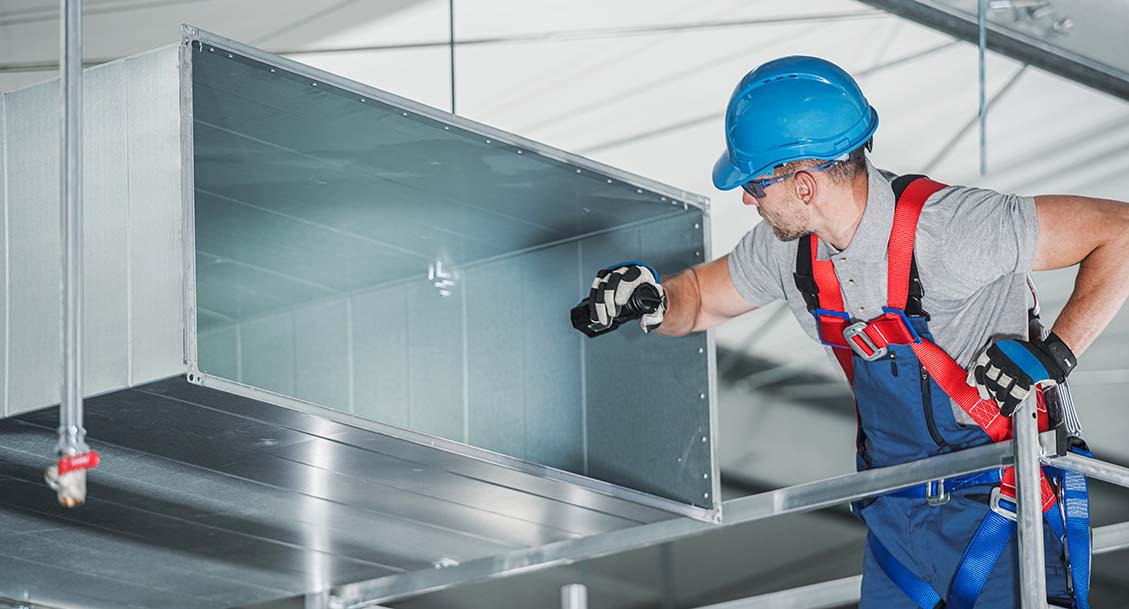
Aerospace environments require more effort from HVAC systems than typical buildings. Air is continuously cycled in large hangars to regulate humidity and temperature. Stable airflow is essential in assembly bays to protect personnel and components. Problems spread quickly when HVAC performance declines.
Preventive maintenance and monitoring help you overcome this obstacle. Monitor humidity levels, airflow measurements, and filter changes. Clearly define the acceptable ranges. Schedule services prior to failure when data indicates drift. This method prevents unscheduled downtime and safeguards equipment.
What Causes Constant Maintenance Problems with Flooring?
Heavy machinery, rolling loads, and chemical exposure are all supported by epoxy and specialty floors. Wear, chips, and cracks develop with time. Loose material from damaged floors poses a foreign-object risk near aircraft and parts.
By combining routine inspections with daily cleaning, you can minimize floor problems. Address small defects early instead of waiting for full failure. Effective floor programs include:
- Regular deep cleaning to remove grit
- Spot repairs for chips and cracks
- Cycles of planned recoating.
By taking these steps, nearby work is protected, and floor life is increased.
Challenge 3: How Do You Maintain Lighting for Safety and Accuracy?
Lighting affects safety, productivity, and inspection accuracy. Aerospace technicians rely on clear visibility for assembly and quality checks. Burned-out fixtures or uneven lighting increase error rates and fatigue.
Using regular inspections and maintenance logs, you can resolve lighting issues. Maintain output by keeping fixtures clean. Replace malfunctioning parts as soon as possible. Verify that task lighting supports detailed work areas. Good lighting reduces mistakes and supports compliance during audits.

Challenge 4: Electrostatic Control in Sensitive Environments
Electrostatic discharge damages avionics and electronic components. When humidity decreases or grounding systems deteriorate, static risk rises. Many facilities ignore this risk until something goes wrong.
You control electrostatic risk with regular testing and documentation. Examine conductive flooring and grounding points. Monitor humidity levels in assembly areas. Teach employees how to move and wear appropriate footwear. By taking these precautions, hidden failures are decreased, and high-value components are protected.
What Effects Do Training and Labor Shortages Have on Maintenance?
Skilled labor shortages affect many aerospace facilities. Aerospace standards are frequently unfamiliar to new hires. Results from inconsistent training vary from shift to shift and site to site.
Standardizing practices and training initiatives is how you resolve this. Clear work instructions help new staff perform correctly from day one. Experienced teams remain cohesive through refresher training. Even when staffing changes, consistency is supported by well-written documentation.

Challenge 5: Meeting Audit and Compliance Expectations
Regulators and clients regularly audit aerospace facilities. Auditors look for evidence of control, not just tidy areas. Inconsistent practices or missing records produce findings.
Integrating compliance into everyday tasks helps you feel less anxious about audits. Maintain logs for cleaning, inspections, and maintenance. Review records regularly instead of waiting for audit season. Because of this behavior, audits become routine occurrences rather than significant disruptions.
How Are Hidden Risks Caused by Inadequate Coordination?
Facility maintenance often involves multiple teams and vendors. Poor coordination leads to gaps, duplicated work, or missed tasks. A single missed step can impact an entire production area.
You resolve this by enhancing scheduling and communication. Give each team a clear understanding of the site’s rules and work scope. Organize frequent meetings for coordination. To ensure that tasks are completed, use straightforward checklists. Results improve, and confusion decreases when ownership is clear.

Why Does the Cost of Reactive Maintenance Increase Over Time?
In the short term, reactive maintenance seems quicker, but it costs more in the long run. Production is interrupted by emergency repairs, which necessitate overtime work. They also increase safety risks.
By switching to planned maintenance, you can reduce expenses. Preventive work spreads labor evenly and reduces failures. Data from maintenance logs helps you predict issues before they escalate. This approach protects both budgets and schedules.
How Is Aerospace Facility Maintenance Success Measured?
Performance metrics and results are used to gauge success. Keep track of audit findings, downtime incidents, and inspection results. To identify improvement or decline, compare trends over time.
Effective programs exhibit fewer incidents and more seamless audits. Teams document work consistently and react to problems more quickly. These results indicate strong facility control and client confidence.
How to Make Your Maintenance Program Stronger
By emphasizing consistency and structure, you can enhance the maintenance of aerospace facilities. Clear standards guide everyday work. Data supports smarter decisions. Teams remain aligned through training.
Key actions include:
- Zones designated for maintenance and cleaning
- Schedules for critical system prevention
- Unambiguous records and audits.
Without slowing down operations, these actions establish control.
The Top 5 Aerospace Facility Maintenance Challenges and Their Solutions
Contamination control, HVAC performance, flooring wear, lighting dependability, and electrostatic safety are the main maintenance challenges in aerospace facilities. You solve them with preventive planning, clear procedures, and strong documentation. This approach protects safety, supports compliance, and keeps aerospace operations moving forward.