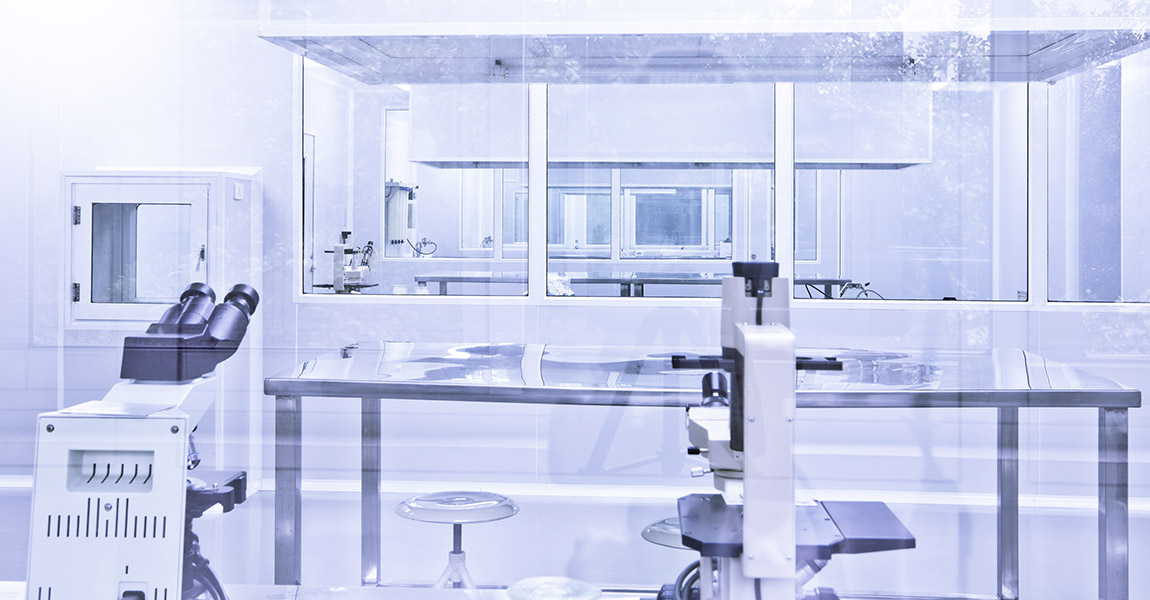
One of the most important settings in the pharmaceutical sector is the cleanroom. By reducing particulate matter, microbial growth, and airborne pollutants, they safeguard people, products, and the integrity of research. But it takes more than just adhering to simple cleaning procedures to retain this degree of control. It calls for a methodical, risk-based cleaning regimen that complies with Good Manufacturing Practice (GMP) and FDA guidelines.
Servicon understands that the frequency and technique of cleanroom cleaning directly impact product quality and compliance. This article will cover the frequency of cleaning pharmaceutical cleanrooms, the applicable requirements, and how hiring a cleaning service can help avoid costly contamination incidents.
What Cleanroom Cleaning Requires According to FDA and GMP Guidelines?
Both Good Manufacturing Practice (GMP) and the U.S. Food and Drug Administration (FDA) guidelines outline the standards for maintaining pharmaceutical cleanrooms. These specifications outline the parameters required to guarantee product integrity and safety; they are not optional.
To prevent drug contamination during production, facilities must maintain cleanliness and implement control measures in accordance with 21 CFR Parts 210 and 211. The FDA Guidance for Industry: Sterile Drug Products Produced by Aseptic Processing further stipulates that, depending on the area’s classification, cleaning and disinfection must take place according to a regular, documented schedule.
Environmental management through ongoing cleaning, disinfection, and monitoring is emphasized by GMP requirements, especially those cited in ISO 14644 and the European Union’s GMP Annex 1. Written Standard Operating Procedures (SOPs) are required for facilities and should outline:
- Use of disinfectants and cleaning products
- Cleaning schedule for each type of surface or space
- Strategies for avoiding cross-contamination
- Records attesting to completion and outcomes.
Pharmaceutical clients can build and maintain these practices while adhering to documentation and audit standards with the assistance of professional cleaning teams skilled in GMP compliance, such as those at Servicon.

What Is Risk-Based Cleaning Frequency in Cleanroom Environments?
The idea of risk-based cleaning acknowledges that the danger of contamination varies throughout cleanrooms. The degree of control required to preserve sterility in each zone must be reflected in the cleaning frequency.
The frequency of cleaning in a pharmaceutical facility increases with the importance of the process. The following factors influence this:
- Cleanroom classification (ISO Class or GMP Grade)
- Type of product manufactured (sterile vs. non-sterile)
- Frequency of personnel entry and equipment use
- Environmental monitoring results and trend analysis
- Historical contamination events.
For instance, a Grade A clean zone, which is used for open aseptic processing or the filling of sterile products, needs to be cleaned several times throughout a shift or in between batches. In the meantime, depending on activity levels, Grade D areas, such as staging or support zones, may be cleaned daily or weekly.
Rather than employing a uniform approach, a risk-based strategy adapts cleaning schedules according to real-time data. This helps strike a balance between operational effectiveness and compliance.

How Do Cleaning Zones (Grades A–D) Differ From One Another?
Based on microbiological and particulate restrictions, pharmaceutical cleanrooms are classified into four primary cleanliness levels. The frequency and level of cleaning needed vary by grade.
Grade A
This comprises areas where sterile items are in direct contact with one another and is the greatest level of cleanliness. Surfaces are completely cleaned at least once per shift and continually disinfected and wiped down while operations are underway. Only sterile wipes and authorized sterile cleaning solutions are used.
Grade B
Aseptic activities are supported by grade B spaces, which need to be cleaned at least daily and disinfected at the end of each production shift. This usually includes equipment pass-through sections, gowning rooms, and airlocks.
Grade C
Depending on the level of danger and the sensitivity of the product, these regions, which handle less important processing stages, can frequently be cleaned every day or multiple times each week.
Grade D
To prevent contamination from moving to higher grades, support rooms, hallways, and utility spaces must be included in the written cleaning schedule, even though they may need to be cleaned daily or weekly.
To ensure uniform compliance throughout the plant, Servicon staff adhere to explicit SOPs that assign cleaning frequencies to each grade and process area.

When Is Terminal Cleaning Better Than Maintenance Cleaning?
Both maintenance and terminal cleaning are necessary in pharmaceutical cleanrooms, and each has a specific function.
Cleaning for maintenance takes place during regular business operations. Its main goal is to prevent production disruptions while managing microbial growth and particle accumulation. We use sterile, approved agents to wipe down surfaces, clean floors, and disinfect frequently touched areas.
Terminal cleaning is a thorough procedure performed after a planned stoppage, equipment changeover, or production campaign. It entails thoroughly disinfecting the equipment, air vents, floors, walls, and ceilings. Before manufacturing can resume, terminal cleaning ensures that there is no lingering contamination by returning the environment to its initial state.
As a general rule:
- Depending on the cleanroom grade, maintenance cleaning can be performed daily or once per shift
- Depending on the procedure and legal requirements, terminal cleaning can be performed weekly, monthly, or between production cycles.
The cleanroom experts at Servicon frequently advise combining the two approaches to preserve ongoing control and lessen the need for later, expensive remediation.
How Can a Cleanroom Be Cleaned Without Getting Contaminated?
To ensure pollutants are not introduced during cleaning, specific protocols must be followed when cleaning a cleanroom. Each tool, material, and movement must be carefully chosen and employed.
The key steps include:
- Preparation of personnel: Before entering, technicians put on the proper sterile clothing, masks, gloves, and shoe covers. Every piece of equipment goes through airlocks to prevent the spread of particles.
- Controlled workflow: To prevent cross-contamination, cleaning always starts in the cleanest zone (Grade A) and moves down to the least clean (Grade D).
- Appropriate supplies: HEPA-filtered vacuums, sterile, non-linting wipes, and authorized disinfectants are the only ones utilized.
- Two-step disinfection: Usually, a disinfectant such as hydrogen peroxide solution, quaternary ammonium, or isopropyl alcohol is used after a cleaning detergent has removed any residue.
- Rotation of disinfectants: GMP requirements mandate that different active ingredients be switched out on a predetermined timetable to prevent germ resistance.
- Documentation: Every action is recorded, together with the time, date, cleaning solution, and initials of the staff.
By adhering to verified protocols that exceed industry norms, Servicon’s skilled experts help clients maintain operational uptime and regulatory confidence.

What Happens When Cleanroom Maintenance Is Neglected?
Infrequent cleanroom maintenance has costs beyond only the apparent dirt. Microbial growth, particle contamination, and non-compliance with GMP or FDA regulations might result from a single cleaning error.
Consequences may include:
- Product recalls or batch loss
- Citations from regulations or warning letters
- Cleaning and requalification downtime
- Equipment and air filtration system damage
- An increase in the total cost of operations.
Corrective action is always pricier than preventive cleaning. Collaborating with an experienced cleanroom service provider ensures that cleaning plans are followed precisely, documentation is correct, and all legal requirements are consistently met.
Why Partner with Servicon for Pharmaceutical Cleanroom Cleaning?
Servicon has been cleaning vital environments for clients in the pharmaceutical and life sciences industries for decades. Our skilled specialists employ sterile materials, verified procedures, and cutting-edge technology made for cleanroom settings since they are aware of the stringent standards of GMP facilities.
Based on facility structure, classification levels, production schedules, and risk concerns, we work with each customer to develop a unique cleaning and disinfection plan. We carry out every cleaning in accordance with quality assurance procedures, confirming it through thorough documentation and examination.
We don’t just focus on compliance. Through regular maintenance and environmental stewardship, we help safeguard your brand, lower the risk of contamination, and increase the lifespan of your cleanroom systems.