Aircraft hangars and high-bay spaces present some of the most challenging cleaning conditions in any industry. These facilities are large, complex, and often open 24/7. Floors, structural beams, lighting systems, and equipment can all rapidly accumulate dirt, dust, and debris. These contaminants may affect efficiency, safety, and compliance in the absence of a clear cleaning plan.
Cleaning involves more than just aesthetics for aerospace operations. It directly contributes to safeguarding delicate equipment, reducing foreign object debris, and enhancing facility performance. Servicon specializes in providing cleaning solutions suited for these expansive settings, where coordination, safety, and access are crucial.
Why High-Bay and Hangar Cleaning Is Unique
Hangars and high-bay facilities differ greatly from typical commercial areas. Just their size poses challenges that require specific preparation and tools.
Ceilings can reach heights of more than sixty feet. Dust and dirt accumulate over time in hard-to-reach locations created by structural steel, ducting, and lighting systems. In addition, the floor area is frequently and constantly utilized for equipment staging, maintenance, and aircraft movement.
Cleaning teams must work around:
- Active aircraft and maintenance schedules
- Large equipment and moving vehicles
- Strict safety protocols
- Sensitive aerospace components.
These circumstances necessitate a regulated and adaptable strategy that can adapt to the environment without disrupting business operations.

Typical Cleaning Difficulties in High-Bay Settings
Maintaining safe and efficient operations in high-bay and hangar cleaning requires addressing several important issues.
Limited Access to Elevated Surfaces
Lighting fixtures, beams, and rafters are elevated areas where dust and debris frequently accumulate. These locations are difficult to access and require specialized tools. Contamination can drop to lower levels without adequate access, which raises the possibility of foreign item debris and impairs equipment operation.
Safety Risks at Height
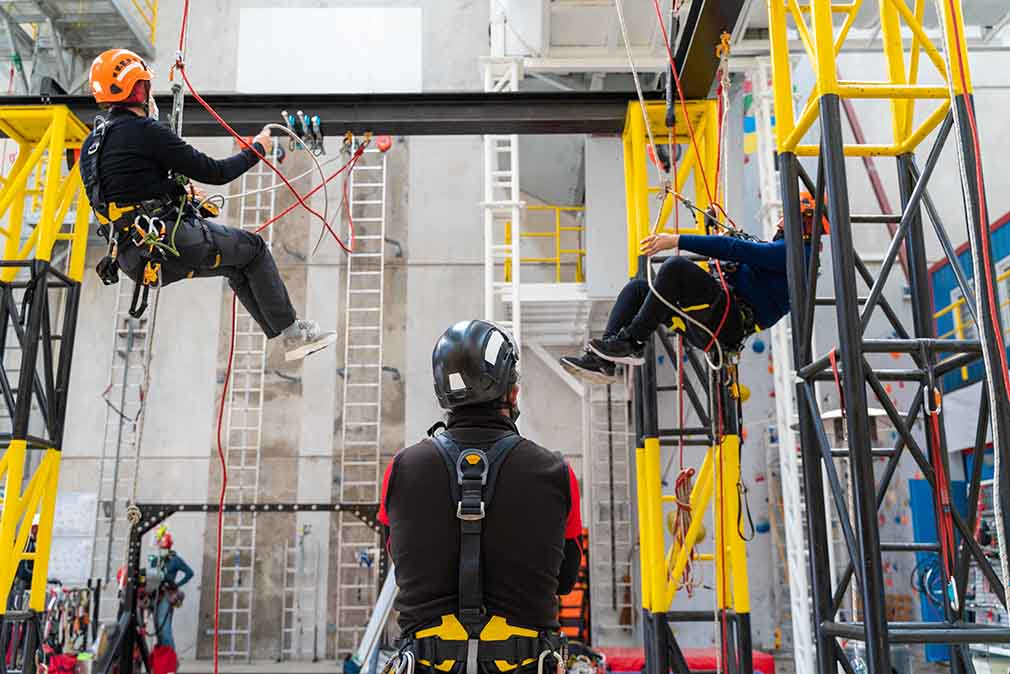
There are major safety risks when working at heights. One of the biggest risks in industrial settings is falls, particularly in large buildings with intricate designs. To reduce risk, cleaning crews must adhere to stringent safety protocols and use the appropriate tools.
Continuous Facility Functions
Hangars rarely shut down to clean. Throughout the day, aircraft are maintained, inspected, and moved. To maintain high standards without interfering with operations, cleaning teams must coordinate their efforts.
Contamination Control Requirements
Dust and debris must be strictly controlled in aerospace conditions. Even tiny particles can harm delicate systems or compromise compliance, for example, by degrading the performance of sensitive instruments or causing failures in critical components. Cleaning procedures must be made to collect and eliminate pollutants without transferring them to other locations.

Access Equipment for High-Bay Cleaning
For safe and efficient access to elevated surfaces, access equipment is necessary. Cleaning crews can complete intricate tasks while maintaining stability and control with the right tools, such as scaffolding, aerial lifts, or ladders designed for high-bay cleaning.
Types of Access Equipment Used
Depending on the facility’s height and configuration, several kinds of equipment are used.
Scissor lifts provide stable platforms for vertical access. They frequently use them to clean walls, lighting fixtures, and flat overhead surfaces. Workers can access locations that are not directly above them thanks to boom lifts. They are therefore advantageous for avoiding obstructions such as airplanes and structural supports.
In confined places, articulating elevators provide versatility. They can access intricate parts of the building by bending and extending. Scaffolding may occasionally be used for longer projects that require greater access, especially when the height and complexity of the work demand a stable platform for workers and materials.
Choosing the Right Equipment
Selecting the right equipment depends on several factors:
- Height and layout of the space
- Obstacles and equipment on the floor
- Type of cleaning required
- The project duration is a crucial factor.
Using the right equipment decreases accident risk and increases efficiency.
Your aerospace facility deserves excellence—let’s build it together.
Fall Protection and Safety Protocols
An essential component of hangar and high-bay cleaning is safety. Strict adherence to fall protection guidelines and protocols is necessary when working at heights.
Key Fall Protection Measures
To lower danger, cleaning teams employ various procedures. These include anchor points, guardrails, and harnesses that keep employees safe as they operate.
Cleaning teams frequently use personal fall-arrest devices when working on elevated platforms or in elevators. These devices are made to prevent injuries and halt falls. Additionally, training is essential. Employees must always adhere to safety protocols and know how to operate equipment correctly.
Compliance With Safety Standards
Aerospace installations frequently observe strict safety requirements. To guarantee compliance, cleaning crews must adhere to these specifications. This includes abiding by OSHA regulations, site-specific safety procedures, and any other requirements established by the establishment. Cleaning teams safeguard the facilities and their employees by upholding strict safety procedures.

Coordinating Cleaning With Facility Schedules
Managing continuous activities is one of the most difficult aspects of hangar cleaning. Cleaning must be properly scheduled because aircraft maintenance and movement cannot be halted.
Organizing Your Schedule to Fit Operations
To reduce disturbance, cleaning crews frequently operate in stages or during off-peak times. This could involve working on weekends, at night, or performing specific cleaning during maintenance windows. It is crucial to coordinate with facility management. Cleaning operations align with operational requirements when communication is clear.
Zone-Based Cleaning Strategies
Zones can be created inside large facilities. Teams can now concentrate on one region at a time without affecting the operation as a whole. Zone-based cleaning ensures that every area receives the care it needs and helps maintain control.
Quick Reaction Capabilities
Facilities may need to respond quickly to unforeseen problems, such as spills or trash, in addition to routine cleaning. A prepared team can swiftly act to maintain safety and avoid disruptions.
Cleaning Techniques for Hangar and High-Bay Areas
Techniques that manage dust and stop contamination from spreading are necessary for efficient cleaning in these settings.
Dry and Controlled Cleaning Techniques
To collect small particles without dispersing them into the air, dry cleaning techniques such as vacuuming with HEPA filtration are frequently used. These systems are made to capture pollutants and keep them out of the environment.
Elevated Dust Elimination
It is essential to remove dust from high surfaces. This keeps debris from landing on tools and workspaces below. Beams, ductwork, and lighting systems are safely and successfully cleaned with specialized equipment and attachments.
Floor Cleaning and Debris Removal
To reduce the risk of damage from foreign objects, hangar floors must be kept free of clutter. To remove dirt, metal shavings, and other debris, this process involves sweeping, vacuuming, and scouring. Keeping floors clean promotes both operating effectiveness and safety.

The Role of Preventive Maintenance Cleaning
Preventive cleaning keeps the facility’s conditions uniform and lessens long-term accumulation.
To keep conditions under control, workers clean regularly rather than waiting for contamination to reach high levels. This method helps ensure adherence to aeronautical requirements and lessens the need for extensive cleaning operations.
Supporting Compliance in Aerospace Facilities
Hangar and high-bay cleaning must adhere to stringent industry standards. This involves keeping the surroundings clean to lower the possibility of contamination and trash from alien objects.
To demonstrate that cleaning operations adhere to these requirements, documentation is frequently needed. Records of cleaning schedules, techniques, and locations serviced may fall under this category. Servicon ensures that cleaning procedures meet these standards by collaborating with aerospace clients.
Your aerospace facility deserves excellence—let’s build it together.
Why Servicon Is Built for Large-Scale Environments
Aerospace hangars and high-bay settings are among the vast, intricate facilities that Servicon excels in cleaning. The company’s main goal is to provide solutions that address the particular difficulties these areas present.
This includes:
- High-level cleaning with sophisticated access equipment
- Putting in place robust fall protection and safety procedures
- Closely coordinating with the activities of the facility
- Using cleaning techniques that aid in contamination management.
Servicon assists clients in maintaining clean, safe, and effective facilities by integrating these components.
Coordinated High-Bay Cleaning Strategies That Support Safety, Access, and Operational Performance
Cleaning hangars and high bays requires more than just standard cleaning procedures. It necessitates meticulous preparation, specialized tools, and stringent safety protocols.
Teams can access elevated areas using specialized access equipment. Workers are kept safe by fall protection systems, which include harnesses, guardrails, and safety nets designed to prevent falls from heights. Cleaning won’t disrupt operations thanks to well-planned timing.
When these components combine, facilities can maintain high levels of performance and cleanliness. By providing cleaning solutions tailored to the size and complexity of high-bay and hangar settings, Servicon assists aerospace clients.